Discover Tanzania’s Historical Sites A Journey through Time
Tanzania is not only famous for its breathtaking safaris and pristine beaches, it is also home to some of the world’s most remarkable historical and prehistoric sites. From ancient human fossils to centuries-old Swahili trading places, these destinations tell the story of humanity, culture, and civilization stretching back millions of years.
In this guide, Afrimine Tours takes you through Tanzania’s most iconic historical sites you should include in your travel itinerary.
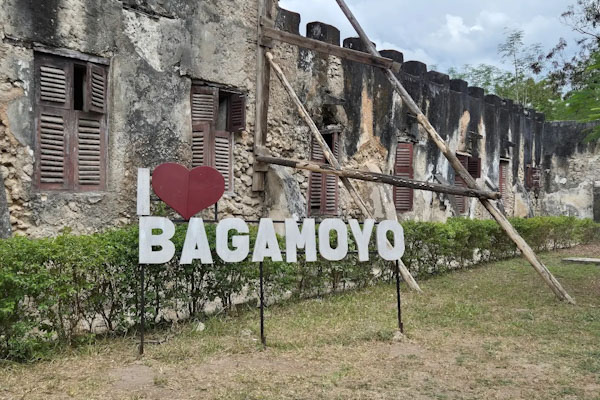
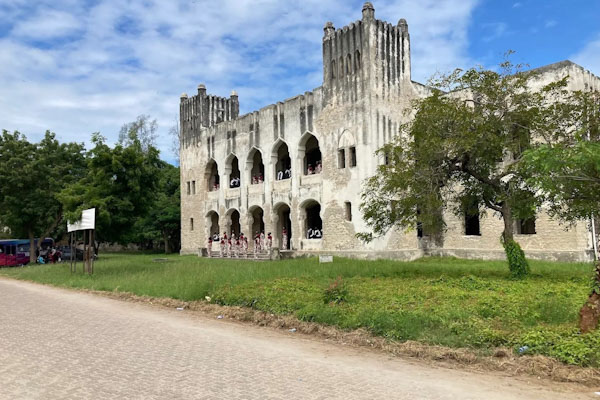
Bagamoyo – A historic coastal Gateway
Located just 75 km north of Dar es Salaam, Bagamoyo is one of East Africa’s most historically significant towns.
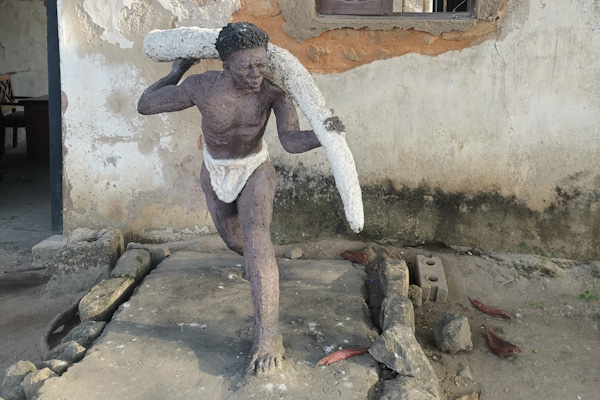
Once a major trading hub and slave port, Bagamoyo played a crucial role in the movement of goods, people, and cultures. It also served as a base for early European missionaries and explorers.
Highlights:
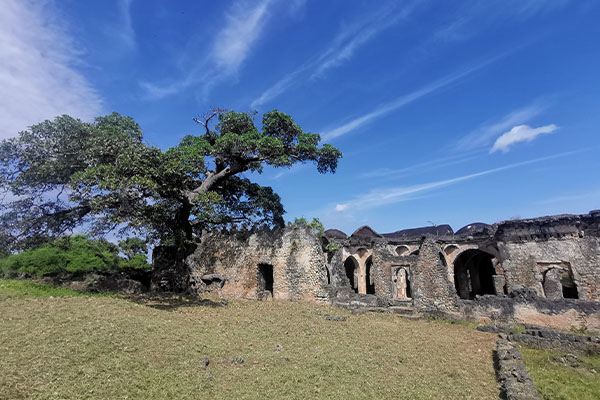
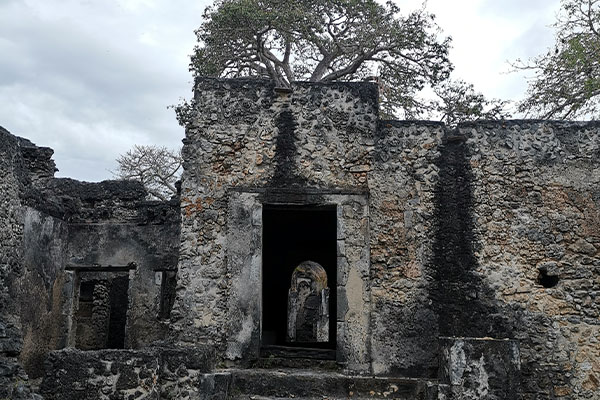
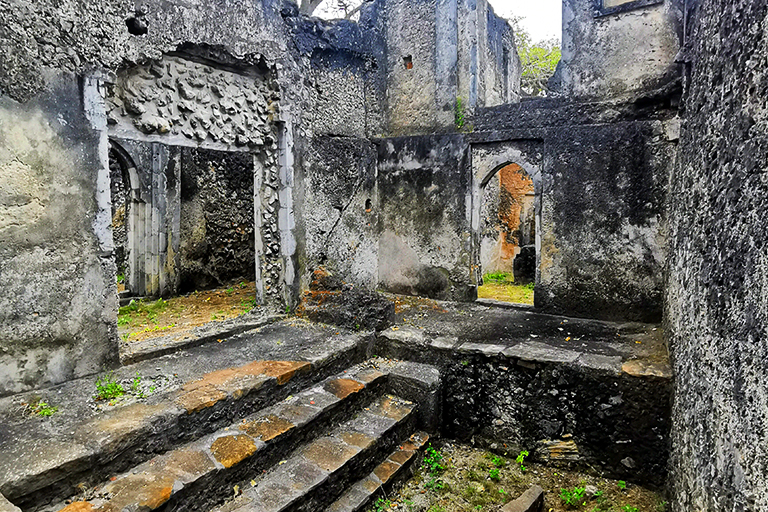
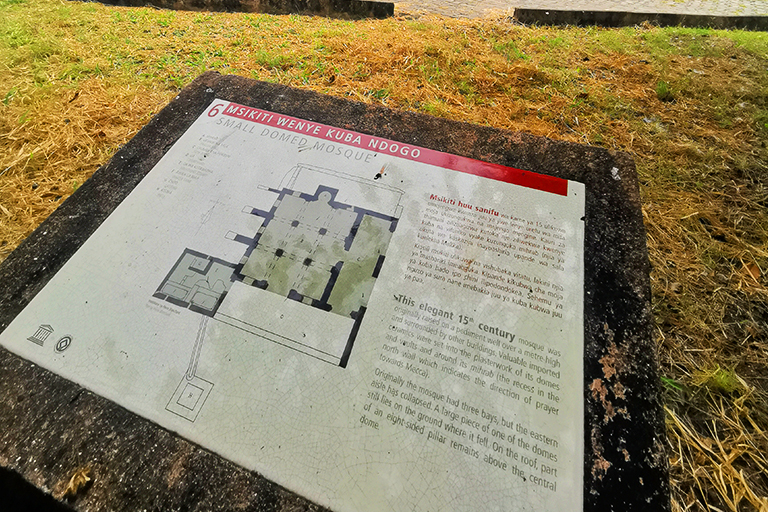
Kaole Ruins – 12th-century Islamic heritage site
Old Fort – former slave holding facility
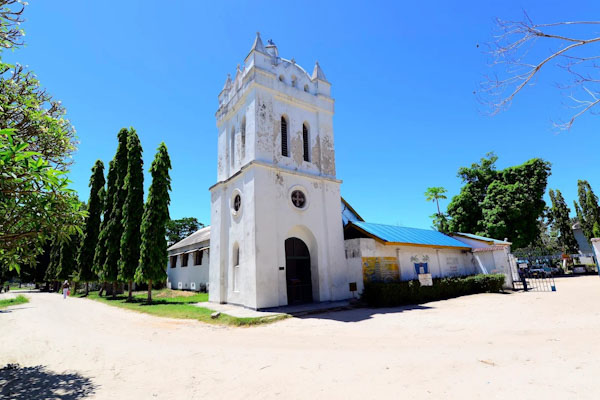
First Roman Catholic Church in East Africa
German colonial Boma
Today, Bagamoyo combines deep history with beautiful white-sand beaches, making it a unique cultural destination.
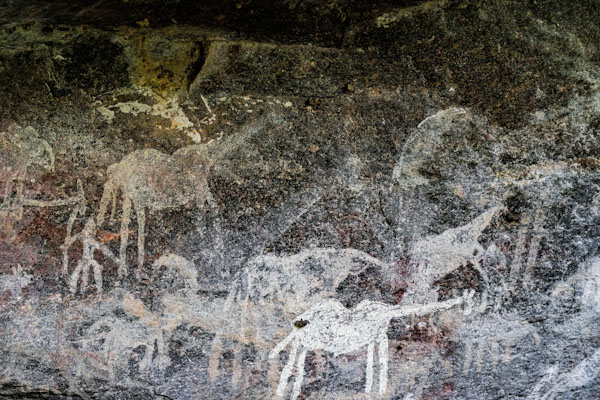
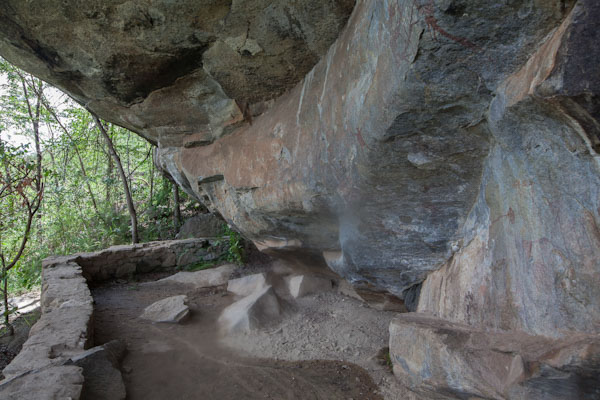
Kondoa Rock Paintings – Prehistoric African Art
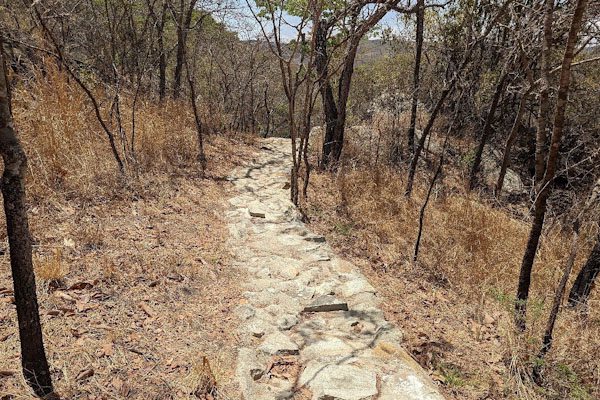
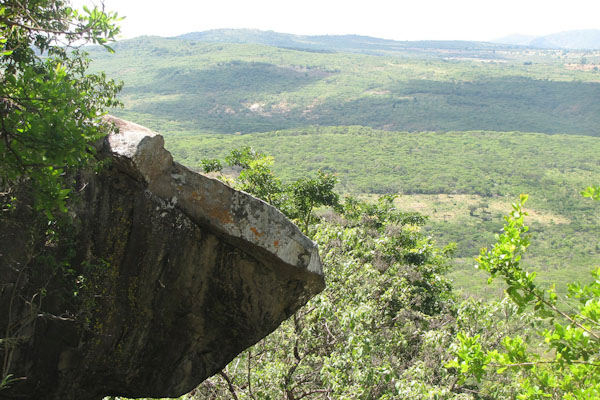
About 260 km south of Arusha, the Kondoa Rock Art Sites are a UNESCO World Heritage Site known for their exceptional prehistoric art.
Dating back 5,000 to 10,000 years, these paintings depict:
Human figures
Animals such as elephants, giraffes, and elands
Symbolic and abstract patterns
These artworks are believed to have been created by early hunter-gatherer communities, possibly ancestors of the Sandawe people.
A visit here offers a rare glimpse into early human creativity and cultural expression.
Kilwa Ruins – The power of Swahili Civilization
The historic islands of Kilwa Kisiwani and Songo Mnara are among Tanzania’s most important UNESCO World Heritage Sites.
Between the 12th and 15th centuries, Kilwa was the most powerful trading city-state on the East African coast, connecting Africa with Asia via the Indian Ocean.
Key trade goods included:
Gold
Ivory
Textiles
Porcelain
The ruins reflect strong influences from Arab and Persian traders and showcase the richness of Swahili culture.
Kilwa Kisiwani
Kilwa Kisiwani
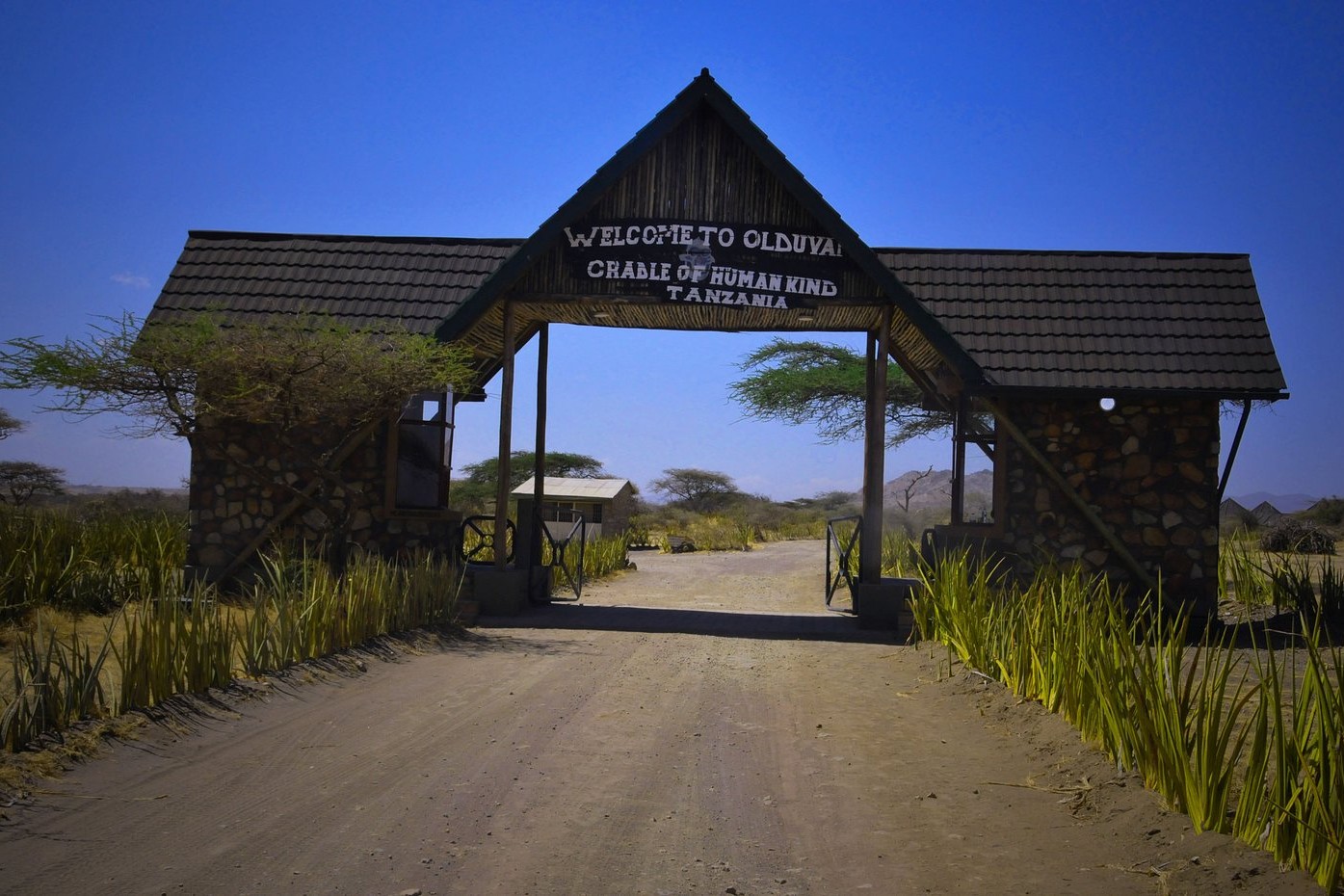
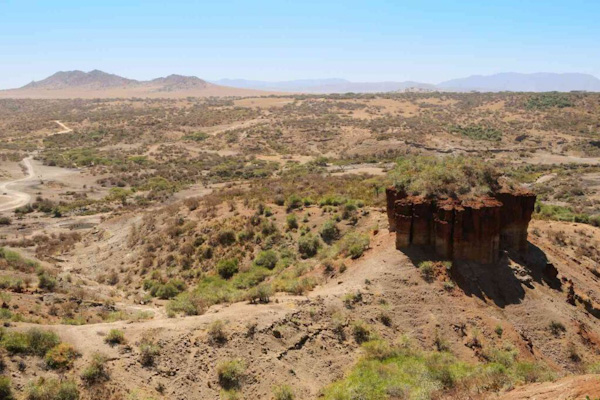
Oldupai Gorge – The Cradle of Humankind
Oldupai Gorge is one of the most important archaeological sites in the world.
In 1959, Louis Leakey discovered the fossil of Australopithecus boisei (also known as “Nutcracker Man”), followed by discoveries of Homo habilis.
These findings revealed:
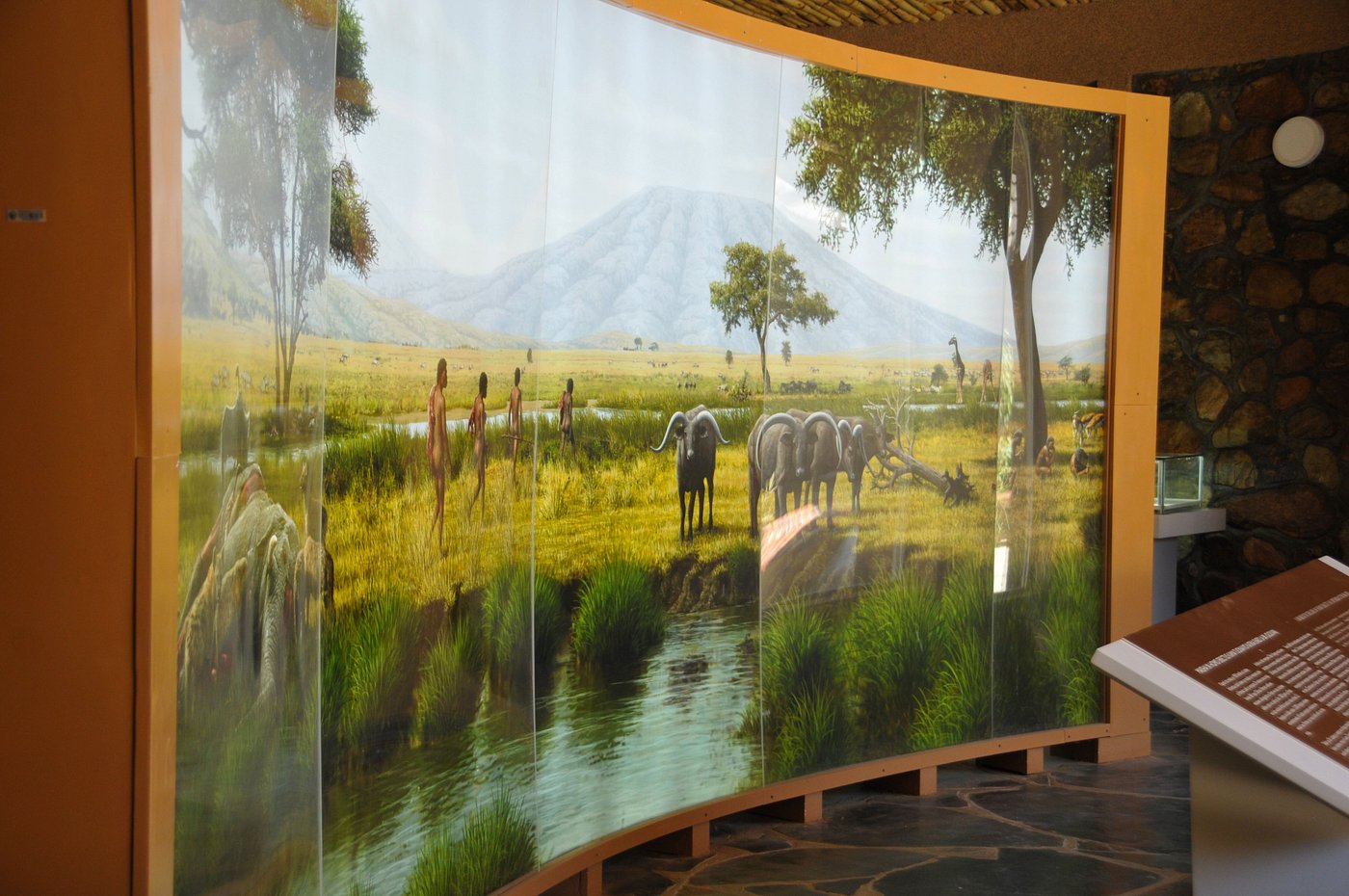
Early human evolution
The development of simple stone tools
Insights into life nearly 2 million years ago
It is a must-visit for anyone interested in the origins of humanity.
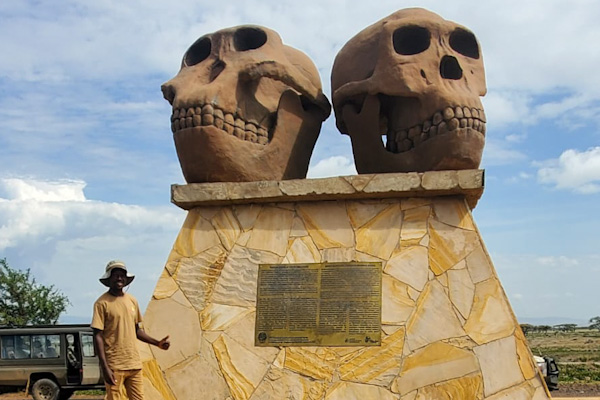
Olduvai Gorge Monument
Zanzibar Stone Town – A cultural melting Pot
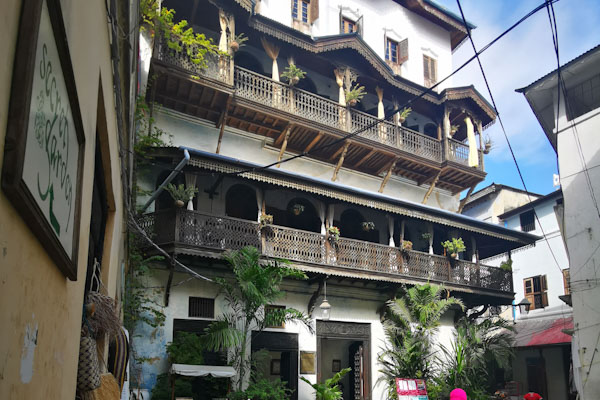
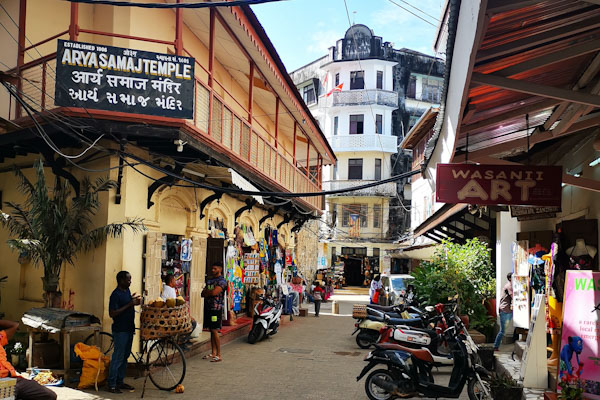
The historic Stone Town on the island of Zanzibar is a UNESCO World Heritage Site rich in cultural diversity.
Stone Town reflects centuries of interaction between African, Arab, Persian, Indian, and European cultures.
Key attractions include:
The House of Wonders
The Palace Museum
Historic slave trade sites
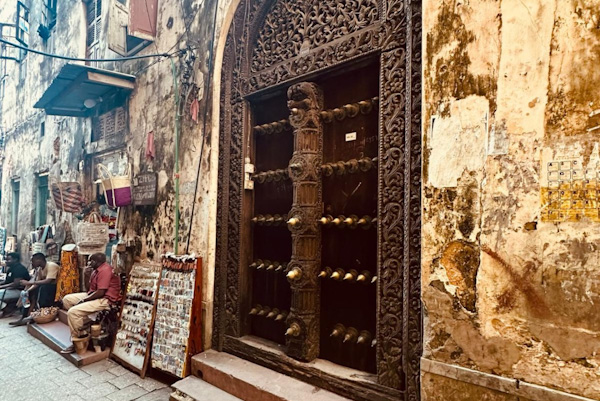
Narrow streets and carved wooden doors
Famous explorers such as David Livingstone and Richard Francis Burton began their journeys here.
A walk through Stone Town feels like stepping back in time.
Zanzibar door
Visit Tanzania’s Historical Sites
Exploring these historical landmarks allows you to:
Trace the origins of humankind
Experience ancient art and traditions
Discover the rise of Swahili civilization
Understand East Africa’s role in global trade and history
These sites perfectly complement Tanzania’s famous safari and beach experiences.
Plan Your Cultural Adventure with Afrimine Tours
Afrimine Tours offers tailor-made itineraries that combine Tanzania’s rich history with unforgettable travel experiences. Whether you want to explore ancient ruins, prehistoric sites, or cultural towns, we help you create the perfect journey.
Start your historical adventure in Tanzania today with Afrimine Tours – where history comes alive.