
Isimila Stone Age Site
Highlights of the Isimila Stone Age Site
One of Tanzania’s most important prehistoric archaeological sites
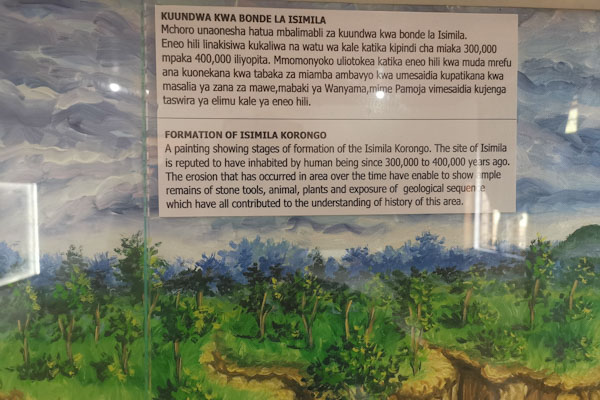
Evidence of human activity dating back 300,000–600,000 years
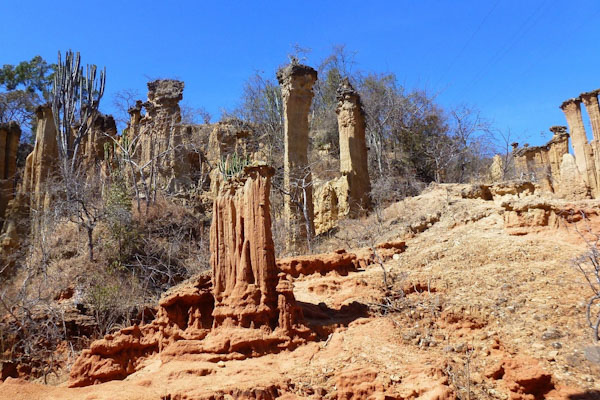
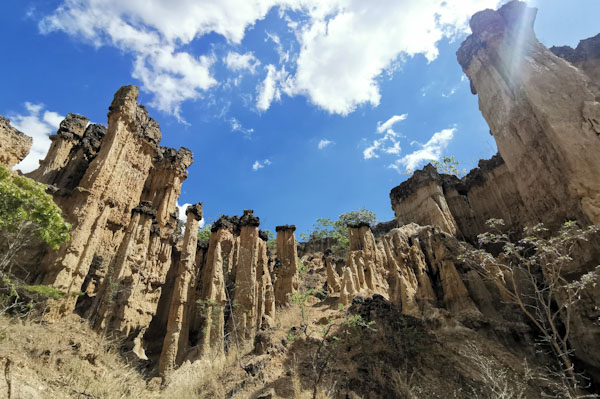
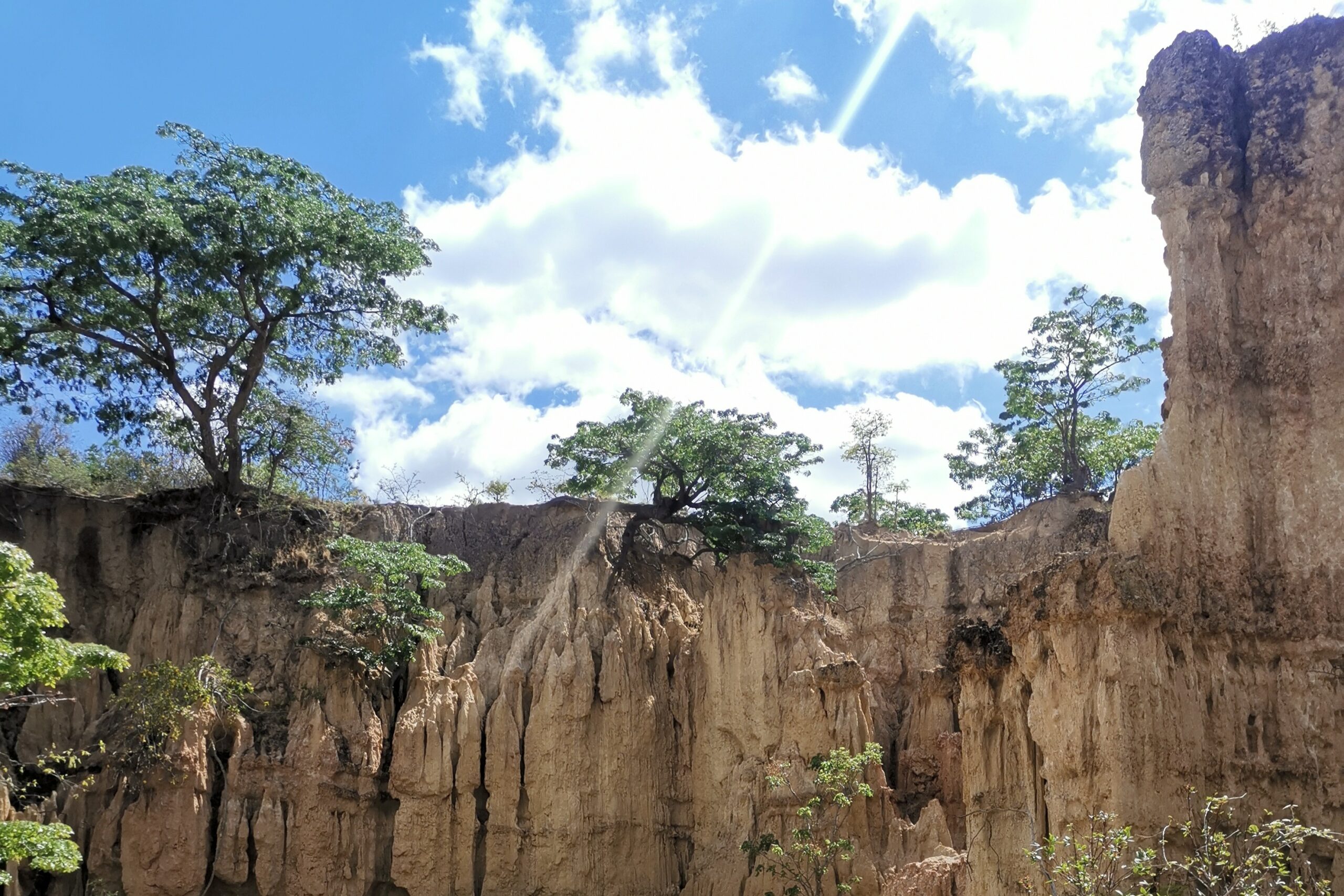
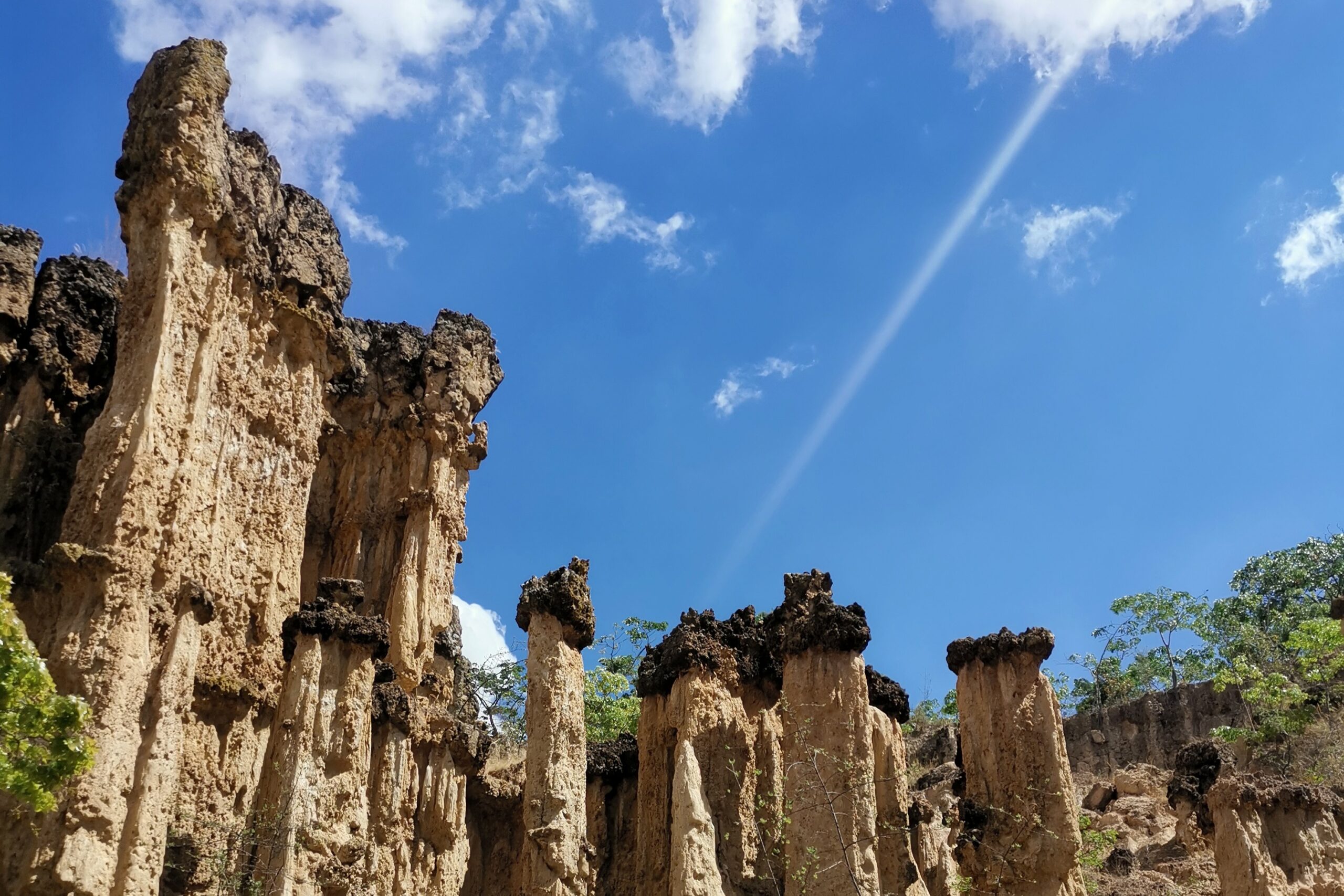
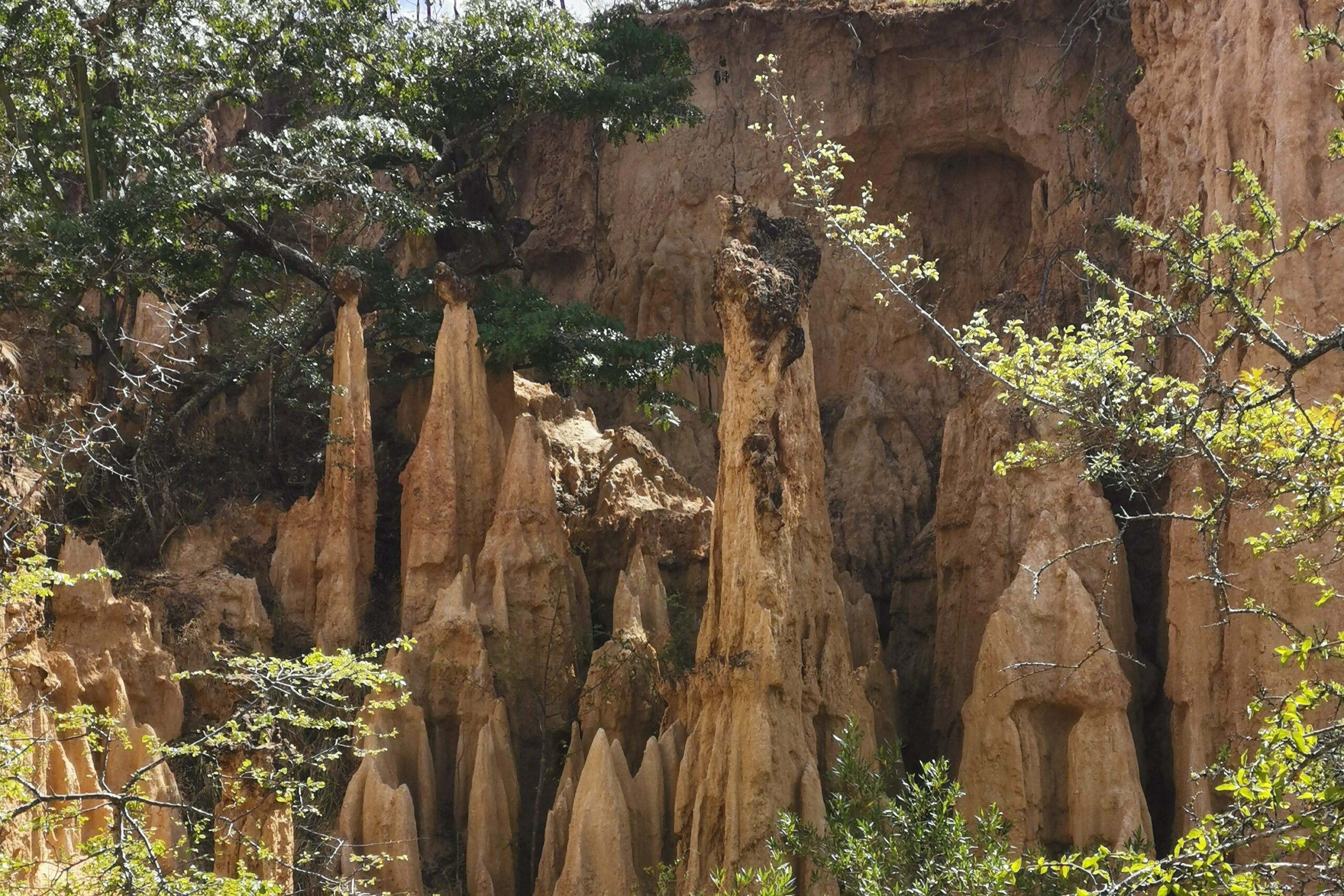
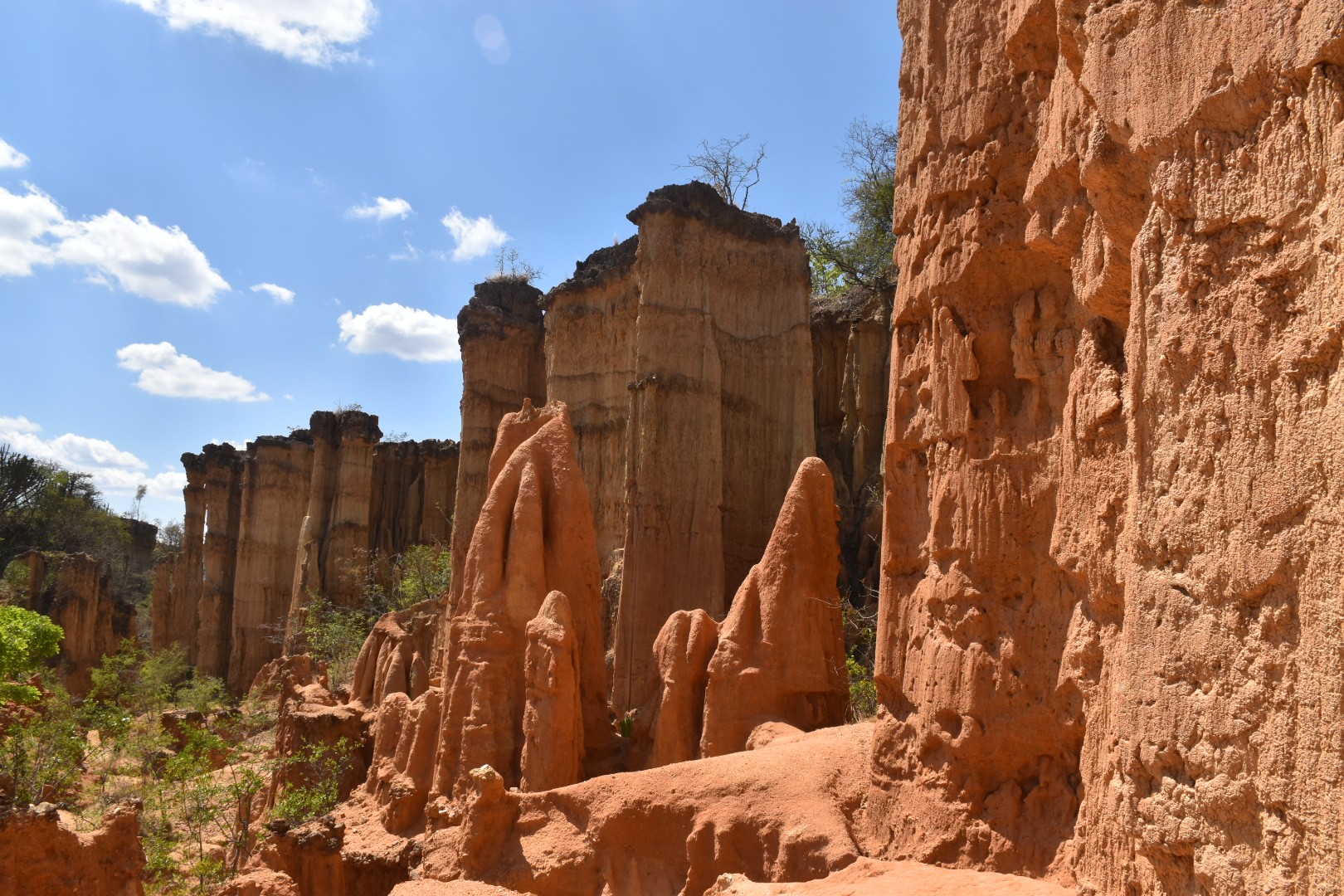
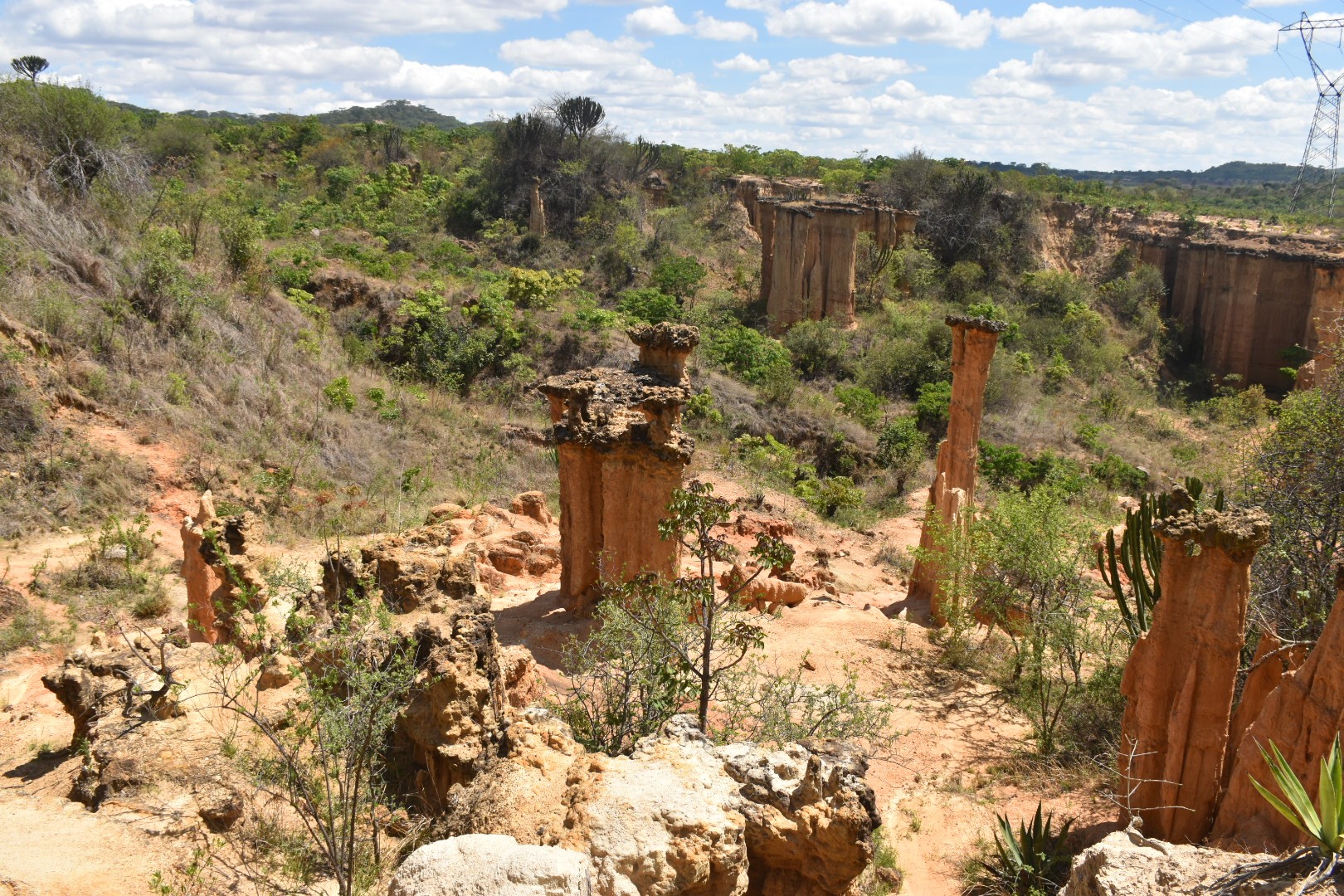
Dramatic canyon landscape with 30-meter sandstone pillars
Large collection of Acheulean stone tools
Fossils of ancient animals including elephants, hippos, and giraffes
Scenic walking trails through the canyon
Educational experience about early human history in East Africa
Ideal day trip from Iringa or on the way to or from Ruaha National Park
Isimila Stone Age Site – Prehistoric Day Trip
Located just outside the town of Iringa in Southern Tanzania, the Isimila Stone Age Site is one of the most remarkable prehistoric landscapes in East Africa. This fascinating archaeological and geological site offers visitors a rare opportunity to step back hundreds of thousands of years and explore where early humans once lived, hunted, and crafted tools.
A visit to Isimila is the perfect cultural and historical extension to a safari in Southern Tanzania, especially for travelers heading to or from Ruaha National Park. While Ruaha showcases Africa’s incredible wildlife, Isimila reveals the deep human history of the region.
Day Trip to Isimila Stone Age Site
A guided excursion to Isimila takes you into a dramatic canyon landscape filled with towering sandstone pillars and one of the most important Stone Age archaeological sites in Tanzania. The area was first discovered in the 1950s and has since provided scientists with crucial evidence of early human activity during the Middle Pleistocene period.
Archaeological findings indicate that hominids lived and hunted in this area between 300,000 and 600,000 years ago, making Isimila one of the oldest known prehistoric settlement sites in East Africa.
During your visit, you will explore the canyon landscape, learn about the geological processes that formed the famous rock towers, and discover the tools and fossils that reveal how early humans lived in this region.
Geological Wonder: The Natural Stone Pillars
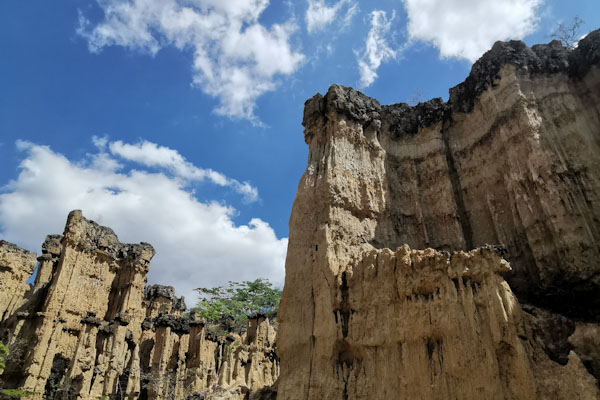
One of the most striking features of the Isimila landscape is its collection of tall natural sandstone pillars, some reaching heights of up to 30 meters. These dramatic formations were created through thousands of years of erosion.
Millions of years ago, the area is believed to have been a small lake basin. Over time, water and wind gradually eroded the softer sediments while leaving behind the harder rock layers. This process carved deep gullies and valleys while preserving narrow rock towers that now rise above the canyon floor.
Walking through the canyon feels almost otherworldly. The tall pillars, layered rock formations, and winding paths create a unique landscape that is both geologically fascinating and visually spectacular.
Archaeological Discoveries
Isimila is internationally recognized for its large collection of Acheulean stone tools, which were used by early human ancestors for hunting, cutting, and daily survival activities.
Archaeologists have discovered thousands of stone artifacts at the site, including:
Hand axes
Cleavers
Scrapers
Stone cores
Cutting tools
These tools provide valuable insight into early human technology and behavior during the Middle Stone Age.
The abundance of tools suggests that Isimila may have been an important hunting and tool-making location for prehistoric communities. The nearby lake would have attracted animals, making it an ideal hunting ground for early humans.
Fossils Found at Isimila
In addition to stone tools, excavations at the site have uncovered numerous fossils of animals that lived in the region thousands of years ago. These fossils help scientists understand the ancient ecosystems that once existed here.
Among the fossils discovered are remains of:
Early giraffes (with shorter necks than modern giraffes)
Hippopotamuses
Elephants
Extinct species of pigs
Various other prehistoric animals
Some fossilized bones and artifacts are displayed in the small on-site museum, where visitors can learn more about the discoveries made at Isimila over the past decades.
Activities During the Visit
A guided tour of Isimila offers a mix of history, nature, and light adventure.
Canyon Walk
A scenic walking trail leads through the canyon between the impressive rock pillars. The walk is easy and suitable for most visitors.
Archaeological Interpretation
Your guide will explain the history of the site, the significance of the stone tools, and how early humans lived in this landscape.
Geological Exploration
Learn how erosion formed the canyon and the towering sandstone pillars.
Bird Watching
The surrounding vegetation attracts various bird species, making it a pleasant location for bird enthusiasts.
Visit to the Isimila Museum
The small historical center displays fossils, stone tools, and information about the archaeological discoveries made at the site.
Perfect Add-On to a Southern Tanzania Safari
For travelers exploring the wildlife of Ruaha National Park, a visit to Isimila offers a completely different perspective on the region. While Ruaha highlights the natural world of today, Isimila reveals the ancient human past of Africa.
This combination makes for a truly enriching travel experience – linking wildlife, geology, archaeology, and human history in one unforgettable journey.
WHAT'S INCLUDED
- Transportation on a well maintained Afrimine Tours Vehicle
- Well-trained english speaking guide
- Picnic Lunch Box
- Mineralwater
- Isimila Stone Age fees
NOT INCLUDED
- Gratuities/’tip’ for guide
- Personal items (Souvenirs, travel insurance, visa fees, etc.)
- Government imposed increase of taxes and/or park fees