
Kaole Ruins Day Trip
Highlights of the Kaole Ruins Tour
Explore one of the oldest archaeological sites in Tanzania
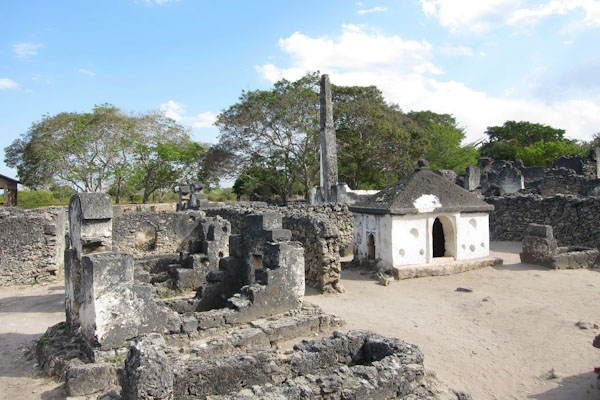
Visit the historic 15th-century Kaole Mosque
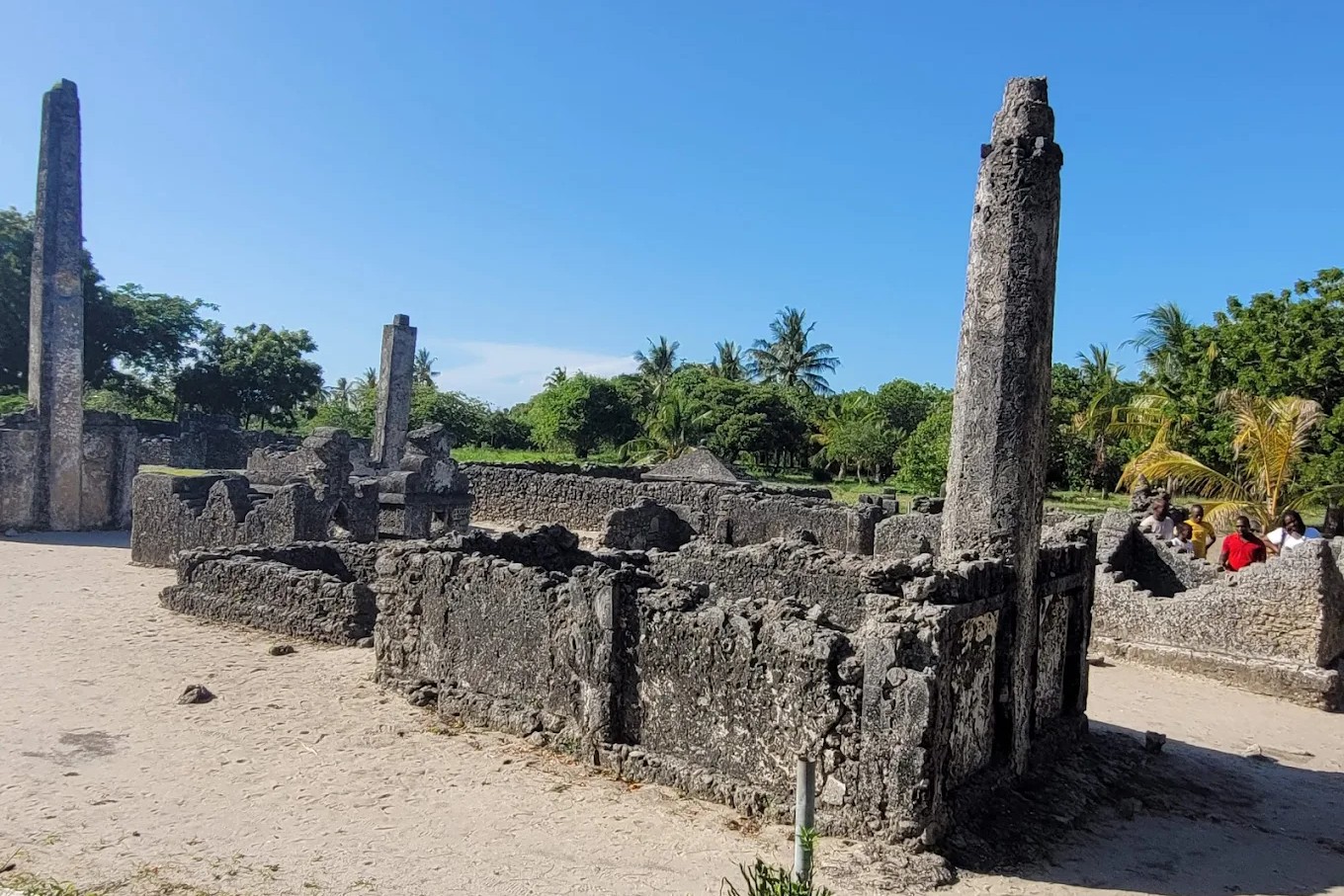
See Shirazi pillar tombs unique to the Swahili Coast
Learn about the Arab and Persian influence on East African culture
Walk through ancient house ruins and water wells
Discover the old harbor and mangrove ecosystem
Experience the history of the Swahili trading civilization
.
Kaole Ruins Day Trip – Discover one of the oldest Arab Settlements on the East African Coast
Located just a few kilometers from the historic town of Bagamoyo, the Kaole Ruins are among the most fascinating historical sites on the Swahili Coast. This ancient settlement, originally known as Pumbuji, was one of the earliest landing points for Arab and Persian traders arriving along the East African coast.
On this cultural day trip with Afrimine Tours, travelers step back in time and explore the remains of a once-thriving trading town dating from the 13th to the 16th century. The ruins reveal the early connections between Africa, Arabia, and Asia that shaped the culture of the Swahili Coast.
Kaole Ruins Day Trip from Bagamoyo
The Kaole Ruins are located about 5 km southeast of Bagamoyo and represent one of the oldest archaeological sites in coastal Tanzania. The settlement flourished as a trading center where merchants from Arabia and Persia interacted with local Swahili communities.
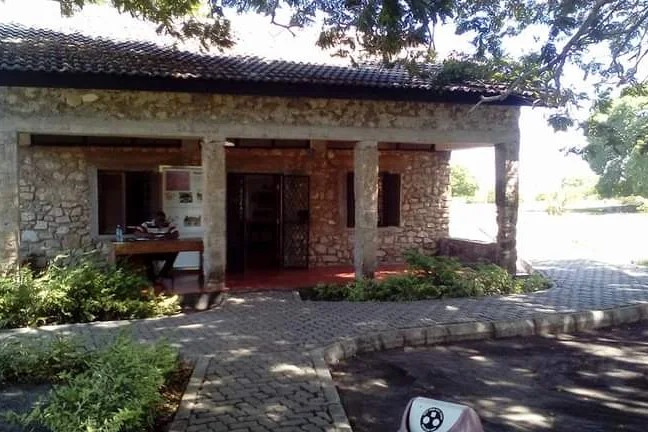
Visitors can explore coral-stone mosques, ancient tombs, and house foundations that illustrate how the early coastal civilizations lived. Surrounded by mangrove forests and close to an old harbor, Kaole was once an important maritime gateway for trade across the Indian Ocean.
History of the Kaole Ruins
The settlement of Kaole (Pumbuji) dates back to the 13th century, when traders and settlers from Arabia and Persia began establishing communities along the East African coast. Many of these settlers belonged to the Shirazi culture, which strongly influenced the architecture and social structure of the region.
Among the most remarkable structures are the coral-stone mosques, including one believed to be the oldest mosque in Tanzania and among the earliest in East Africa. These mosques were built using coral rag stone, a traditional Swahili construction material.
Kaole was once a prosperous settlement with strong maritime connections across the Indian Ocean. However, its prosperity declined in the 15th century after the arrival of the Portuguese along the East African coast during the era of Portuguese exploration of the Indian Ocean. Trade routes shifted and the settlement gradually lost its importance.
What to Discover at Kaole Ruins
Visitors exploring the ruins will encounter a remarkable collection of historical remains that reveal the cultural and religious life of the early Swahili coast.
Ancient Mosques
The site contains two historic coral-stone mosques, including a 15th-century mosque built by Shirazi settlers. Interestingly, this mosque lacks internal partitions, which suggests it belonged to the Sunni Islamic community that lived in the area.
Shirazi Pillared Tombs
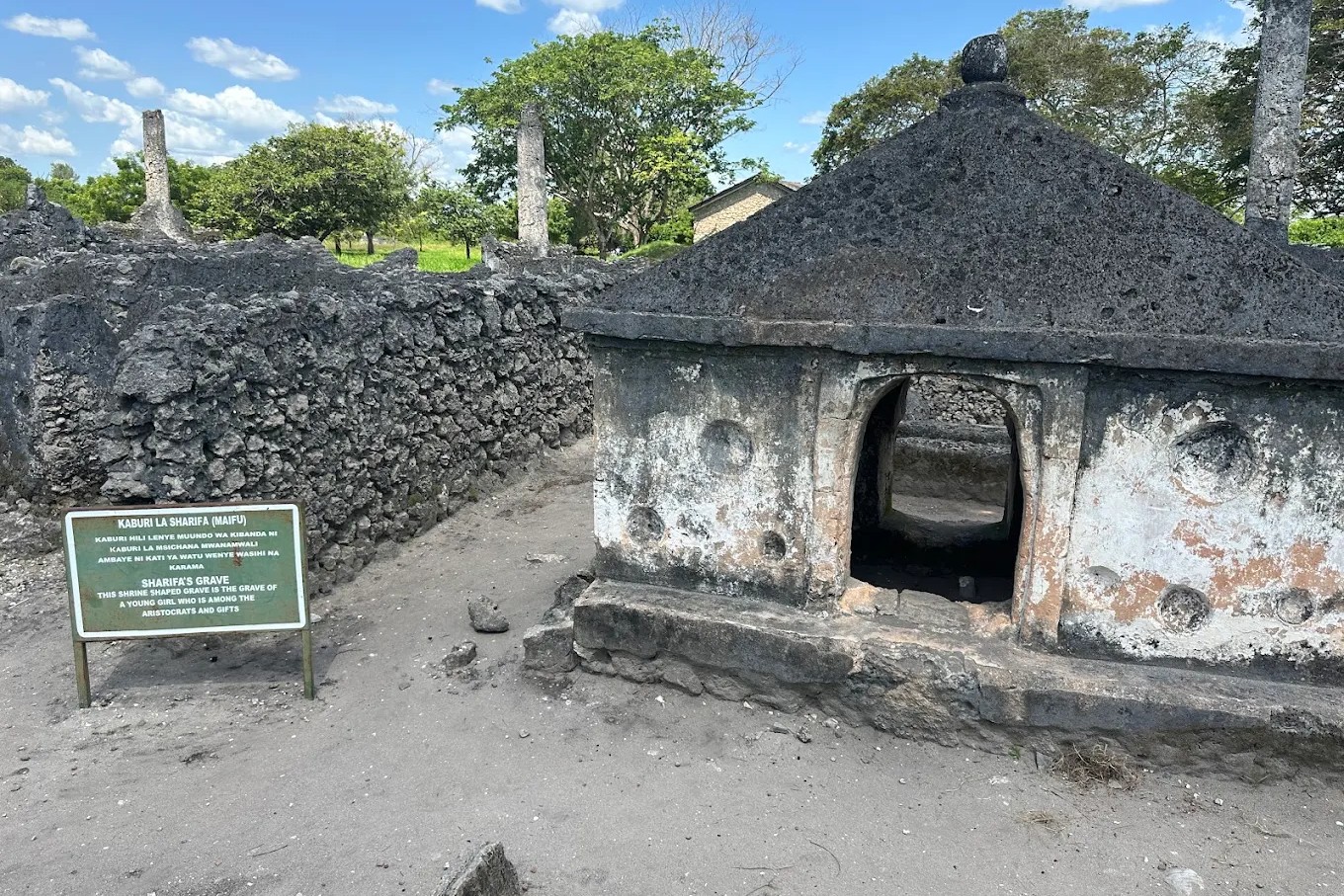
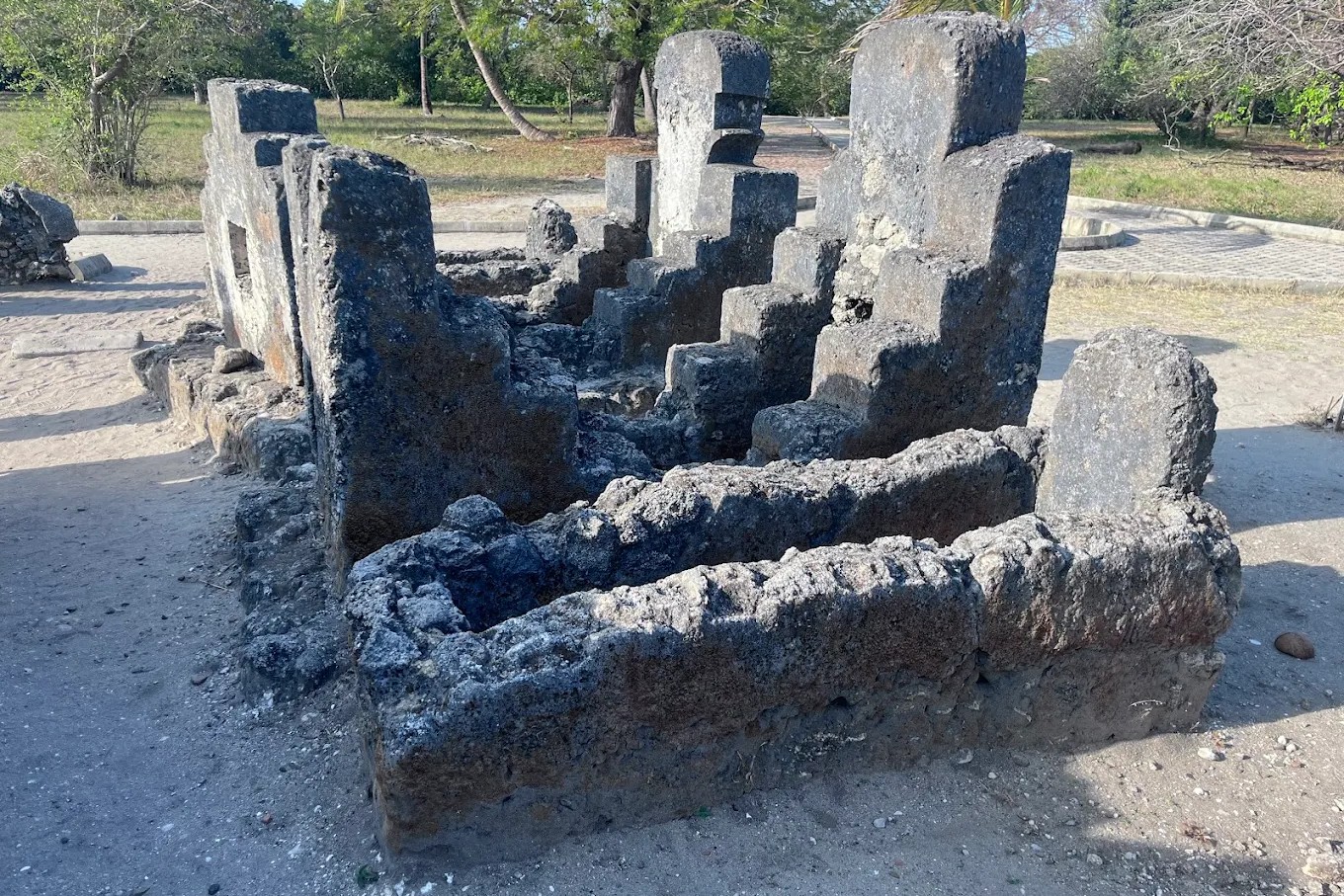
Kaole is famous for its Shirazi-style tombs, many decorated with coral pillars. These tombs are believed to belong to local rulers (Diwanis), respected Sheikhs, and foreign traders who died in the settlement.
Old Settlement Ruins
Visitors can walk through the remains of ancient houses, wells, and foundations, giving insight into the structure of the medieval town.
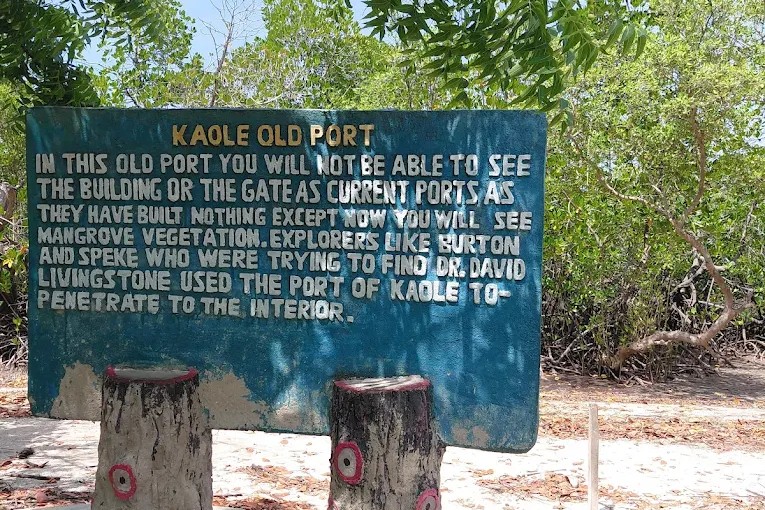
Mangrove Forest and Old Harbor
Beyond the ruins lies an old port area surrounded by mangrove forests, where trading boats once arrived from Arabia, Persia, and Asia.
Why Visit Kaole Ruins with Afrimine Tours
This tour offers a unique opportunity to discover the early history of the Swahili Coast, long before colonial rule. With knowledgeable guides, visitors gain deeper insight into the cultural exchanges between Africa, Arabia, and Asia that shaped the region.
The Kaole Ruins day trip can easily be combined with visits to nearby attractions in Bagamoyo, making it a perfect cultural excursion for travelers interested in history, archaeology, and Swahili heritage.
WHAT'S INCLUDED
- Transportation on a well maintained Afrimine Tours Vehicle
- Well-trained english speaking guide
- Picnic Lunch Box
- Mineralwater
- Kaole Ruins fees
NOT INCLUDED
- Gratuities/’tip’ for guide
- Personal items (Souvenirs, travel insurance, visa fees, etc.)
- Government imposed increase of taxes and/or park fees