Termite Mounds -
Nature’s Hidden Skyscrapers


The secret skyscrapers of the savanna - termite mounds

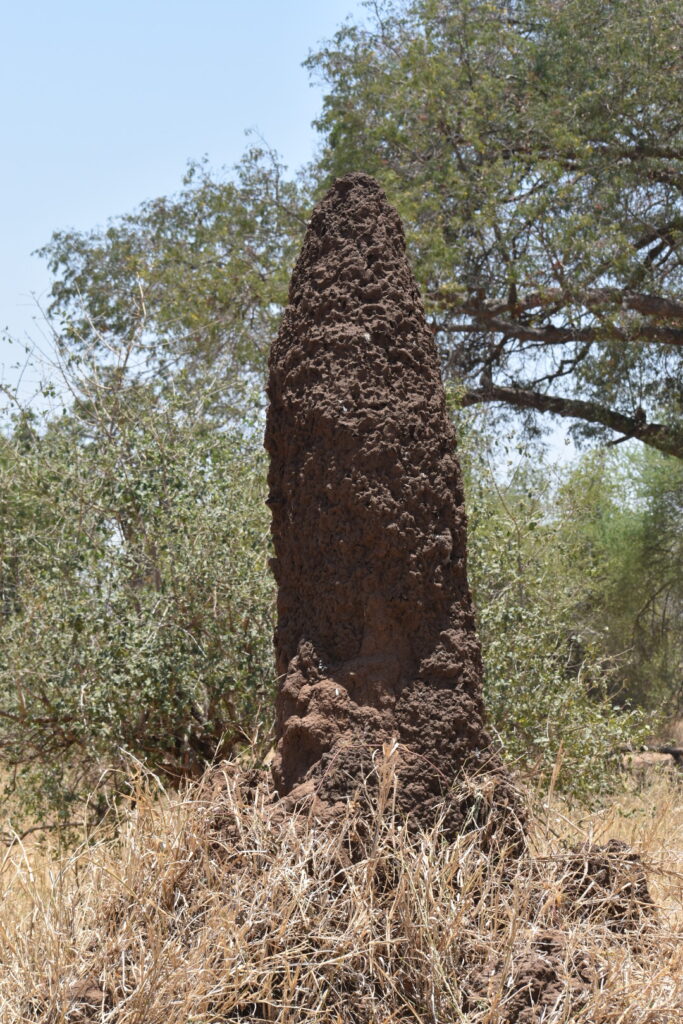
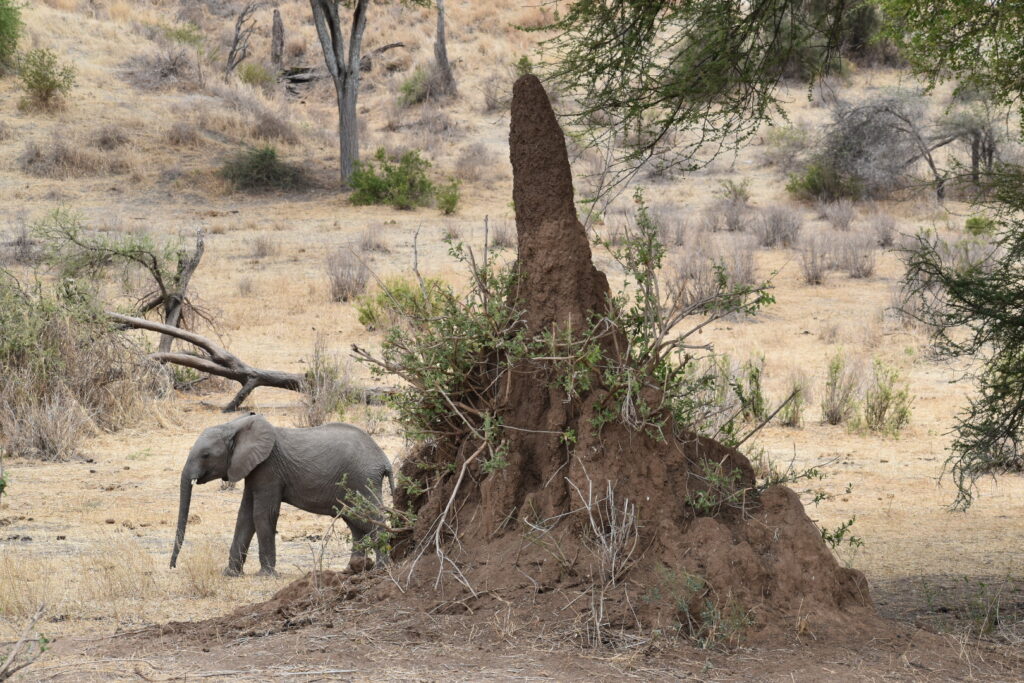
Termite mounds are among Africa’s most iconic – and easily overlooked – landscape features. From small, rounded “mushroom” mounds to cathedral-like towers rising metres above the grass, these structures are the visible signatures of some of the planet’s most industrious engineers. But termite mounds are far more than lumps of dirt: they’re living, climate-controlled organs that sustain enormous colonies and support whole micro-ecosystems.


What exactly is a termite mound?

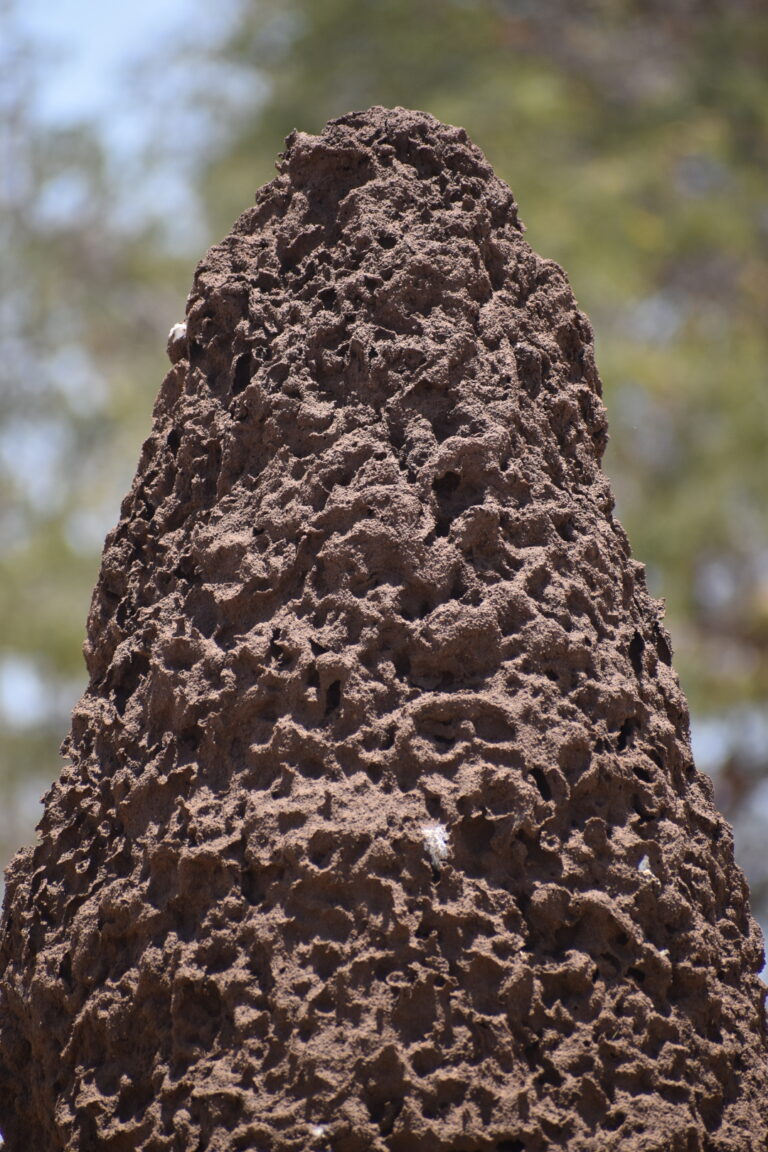
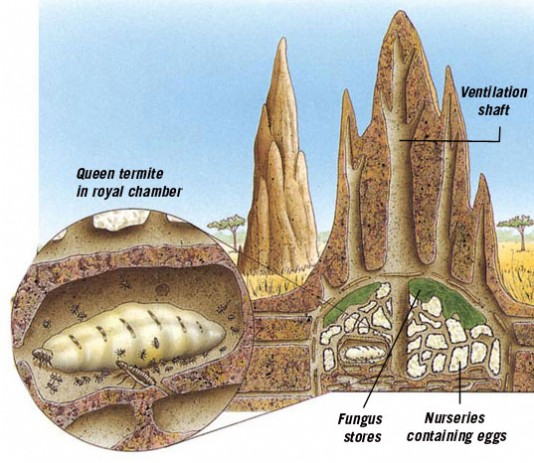
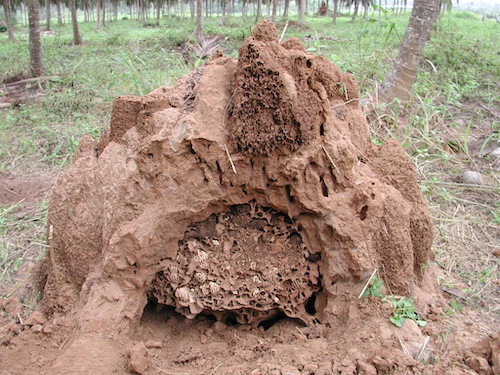
A termite mound (also called a termitarium) is a constructed, above-ground structure built and maintained by certain termite species – most famously the fungus-growing Macrotermes and related genera in African savannas. The animals actually live mostly underground; the mound acts as an extension of the colony’s nest, used for ventilation, humidity control, waste management and protection. Mounds are built from a mix of soil, saliva and fecal material that hardens into remarkably durable, often sculpted architecture.


Shapes and types

Termite mounds vary hugely depending on species, soil type and climate. Common mound types you’ll see in Africa include:

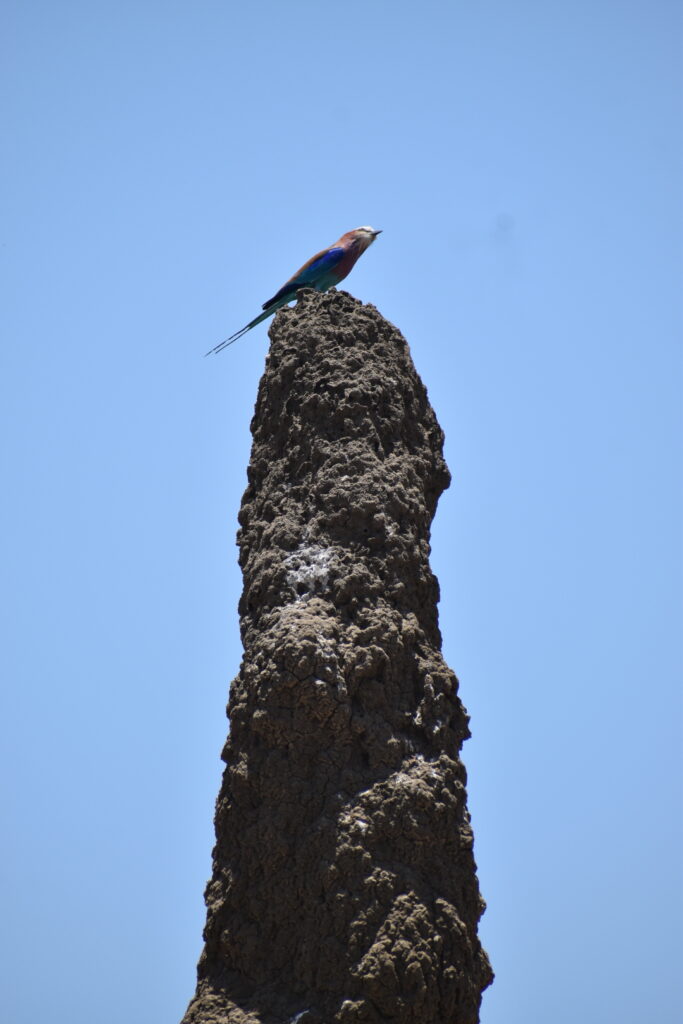
  • Cathedral / ridge mounds – tall, ribbed, complex ridges (often Macrotermes).

  • Dome mounds – compact, rounded structures with thick walls.

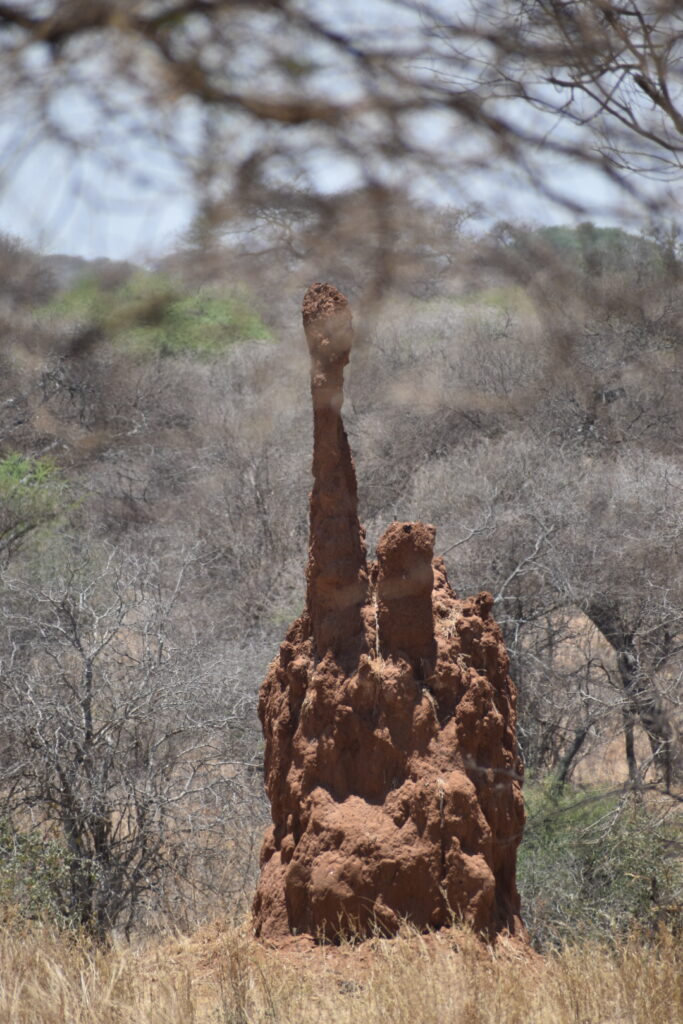
  • Chimneyed mounds – with visible chimney openings and ventilating towers (seen in some Odontotermes and other genera).

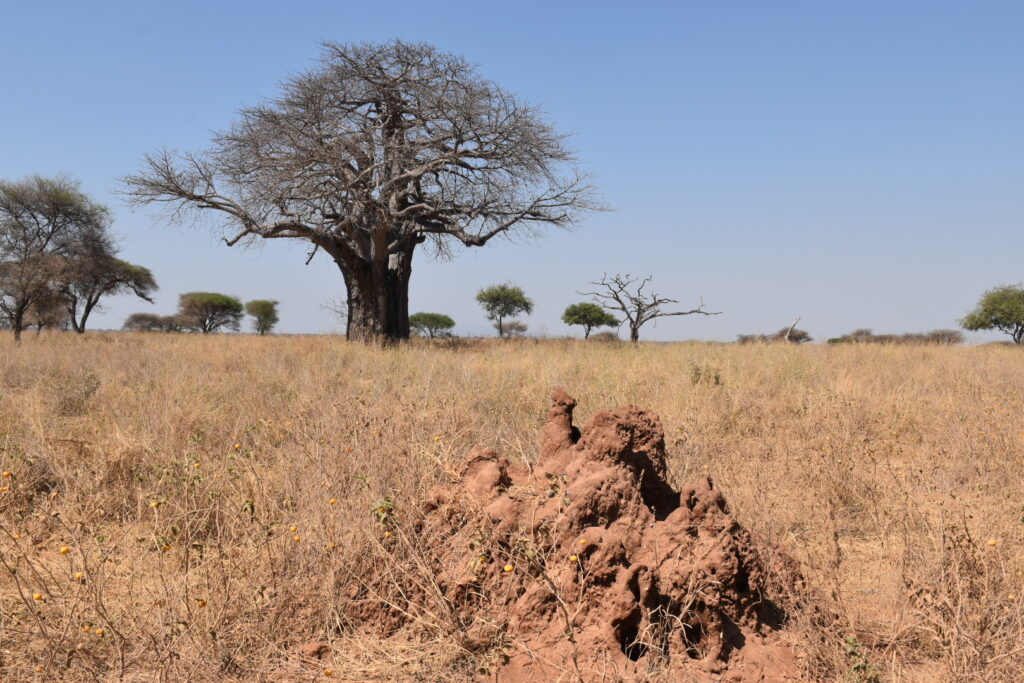
  • Low ‘mushroom’ mounds – smaller rounded mounds, common where soil or seasonal rains limit large construction.

Each shape reflects different strategies for airflow, drainage and temperature regulation.


How and why termites build them - the engineering marvel

Termites build and continuously remodel mounds using simple local rules and collective behaviour (no single “architect”). The mound’s internal network of chambers and tunnels connects to the underground nest and to the outside world. Two of the mound’s most important functions are:

  • Ventilation and gas exchange: Termite colonies respire like any animal collective – they need oxygen and must remove carbon dioxide. Mounds act as lungs: their shape and porous walls enable gas exchange driven by daily temperature cycles and slight pressure differences. Modern studies show mounds harness diurnal temperature oscillations and wind to move air through the nest. 

  • Microclimate control: Inside a well-built mound humidity and temperature are far more stable than the outside environment. That stable climate is crucial for brood development and (for fungus-growing termites) for cultivating fungal gardens that digest plant material. Some researchers describe the mound as an “external organ of homeostasis” for the colony.


Termite mounds as ecosystem engineers

Termites are classic ecosystem engineers. Their mounds change the soil’s physical and chemical properties – concentrating clay, organic carbon and nutrients – and create fertile islands in otherwise poor soils. These nutrient hotspots support different vegetation around mounds, attract mammals and birds, and increase local biodiversity. In some parts of Africa, termite mounds are so chemically distinct that mineral prospectors and researchers can use them as indicators of subsurface mineral content.


Inside the Hidden City - Chambers, Castes and the Life of the Queen

Beneath every termite mound lies a sprawling underground fortress made of interconnected chambers, tunnels and nurseries. While the exterior mound is designed for ventilation and climate control, the true heart of the colony is concealed safely below.

The Royal Chamber

At the center lies the royal chamber, a heavily protected room where the queen and king live. The chamber is usually surrounded by thick walls and guarded constantly by soldier termites. Only a few narrow passages connect it to the rest of the colony, making it one of the safest places in the subterranean nest.

The Queen’s Life

A termite queen is one of the most remarkable animals on Earth. After mating, her abdomen swells enormously – sometimes reaching the size of a human finger – in a process called physogastry. In this state, she becomes a specialized egg-laying machine and can produce thousands of eggs per day depending on the species.

She rarely, if ever, moves once physogastric. Worker termites feed her, groom her, and transport her eggs to the nursery chambers. The king remains with her throughout her life, continuing to fertilize eggs and supporting colony stability – a rare lifelong partnership in the insect world.

A queen can live 10–20 years or more, far longer than most insects. As she ages, the colony may raise replacement royals to ensure continuity.

Worker and Soldier Chambers

Surrounding the royal chamber are specialized rooms that support the colony’s castes:

  • Nursery chambers – warm, humid rooms where workers tend eggs and young larvae.

  • Fungus gardens (in Macrotermes and Odontotermes) – chambers where termites cultivate a symbiotic fungus used to break down tough plant fibers.

  • Food and waste chambers – used for storing partially processed plant material and isolating waste to maintain colony hygiene.

  • Soldier galleries – positioned near entrances for defense, allowing soldiers quick access to threats such as ants or predators.

A Perfectly Organized Society

Every chamber has a purpose. Workers constantly rebuild walls, expand tunnels, and adjust airflow. Soldiers defend. The queen lays eggs and produces chemical signals (pheromones) that keep the colony organized and functioning like a single super-organism.

Together, this hidden architecture and cooperative lifestyle make termite colonies some of the most complex societies in the natural world – and the towering mound above is just the surface hint of this extraordinary civilization.
 

Seeing termite mounds on safari -
Tips for Afrimine Tours guests

Termite mounds are common across African savannas and can be striking photo subjects and conversation starters on safari. A few practical tips for tour guides and guests:

  • Look for variety: a single drive may show tiny mushroom mounds, large cathedral mounds and recently disturbed construction. Each tells a different story about species and habitat.

  • Respect the structure: mounds can house active colonies; don’t climb, break or disturb them. Many are centuries-old in the making.

  • Use them to read the landscape: dense concentrations of mounds often indicate long-established termite activity and associated lumps of fertility and wildlife use. Guides can point out termite-associated birds, dung beetles and plants.

  • Best times to observe: mounds are visible year-round; early morning light makes their contours dramatic and helps reveal small animal activity at mound entrances.

(If you’d like, Afrimine Tours can design a short interpretive stop about termite mounds for safaris – a 5–10 minute stop where guides explain mound function, show termite activity safely, and connect the mound to broader ecological stories.)


Quick FAQ & Facts

Are all termite mounds active? No – some are abandoned and provide habitat for other animals; others are active and vibrantly tended by millions of termites. 

Do termite mounds damage the environment? Not in the ecological sense – they increase habitat diversity and soil fertility. However, in agricultural or urban contexts some termite species can be pests. Management requires species-specific approaches. 

Can mounds hurt vehicles or structures? Mounds themselves are stable, but burrowing and colony foraging can affect wooden structures if termites shift into building timbers – a separate pest issue from the landscape mounds. Always use local guidance for building-site assessment.

  • Built by millions of termites, mostly underground.

  • Act as the “lungs” of the colony, regulating air, heat & humidity.

  • Some mounds are over 2–3 meters high and can last for centuries.

  • Enrich soils, attract plants & wildlife – true ecosystem engineers.

  • Used by local communities for clay, food, and folklore.

Change Language »