Best Time to Climb Mount Kilimanjaro:
A Complete Guide to Seasons, Preparation & Travel Tips
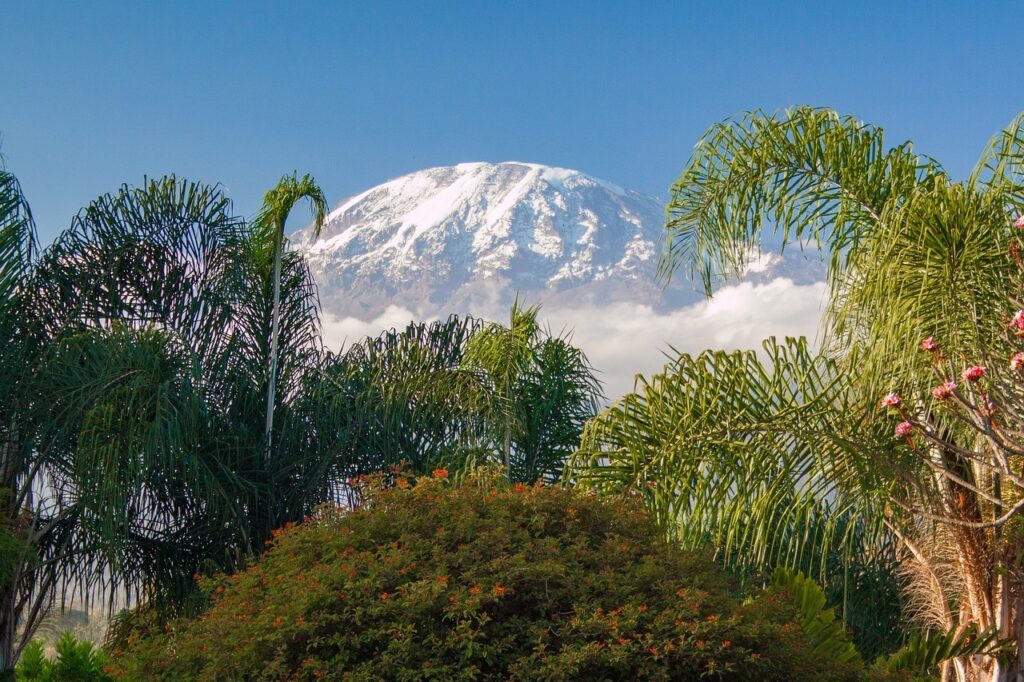
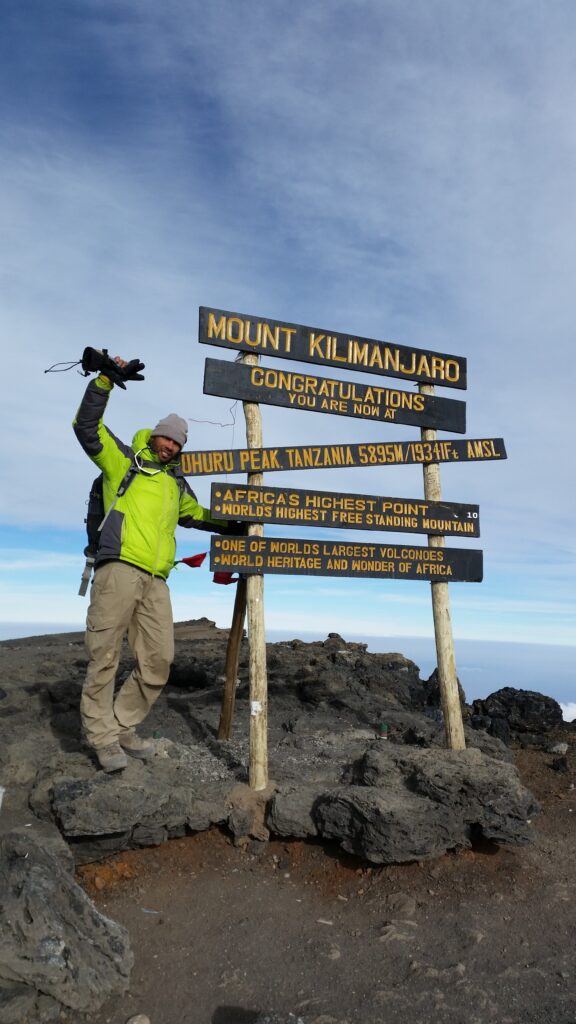
Standing at 5,895 meters, Mount Kilimanjaro is Africa’s highest peak and one of the world’s most iconic trekking destinations. Every year, thousands of adventurers travel to Tanzania to experience the breathtaking journey from lush rainforest to alpine desert and finally to the snow-capped summit of Uhuru Peak.
One of the most common questions we receive at Afrimine Tours is:
“When is the best time to climb Kilimanjaro?”
The short answer is: January to March and June to October are generally considered the best climbing seasons. However, each season offers unique advantages depending on your preferences, experience, and travel goals.
In this guide, we’ll explore the best months to climb Kilimanjaro, explain the weather patterns, and help you prepare for a safe and successful adventure.
Understanding Kilimanjaro's Climate
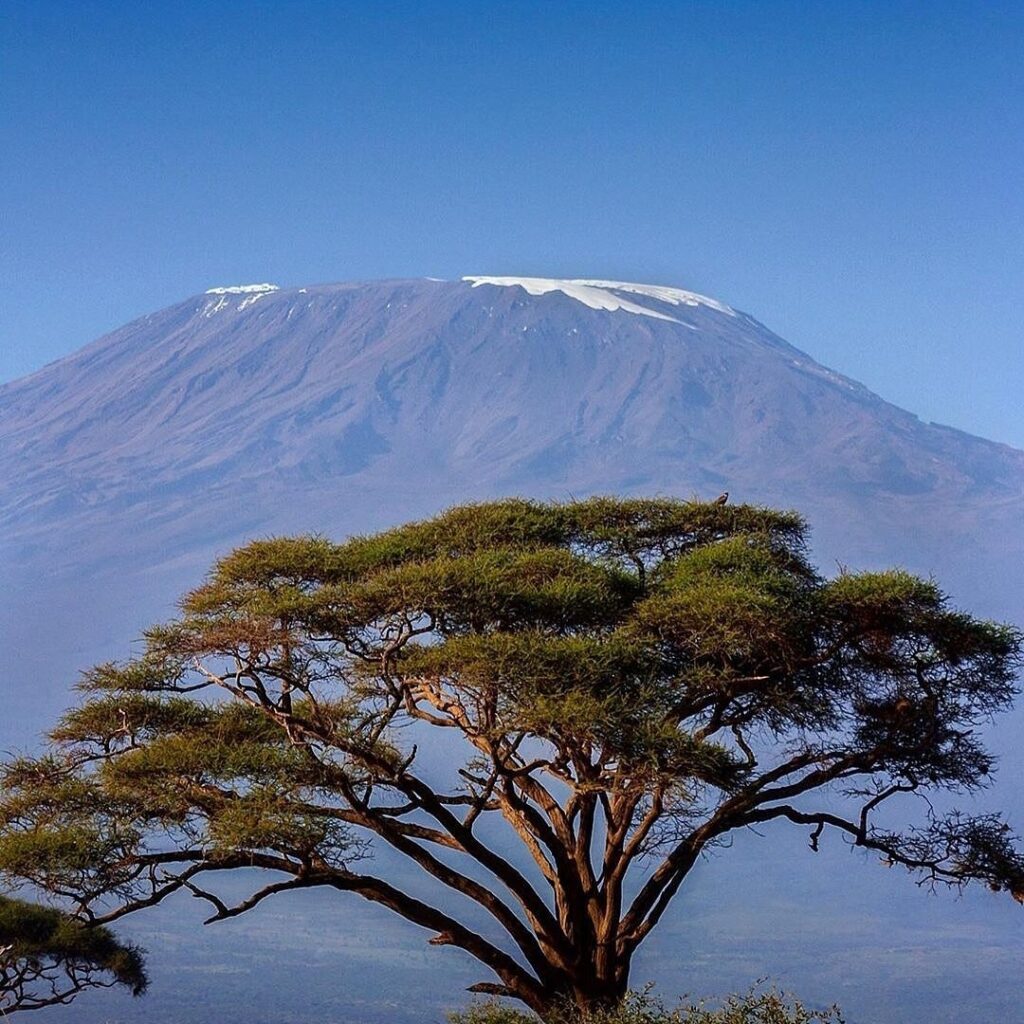
Unlike mountains in Europe or North America, Kilimanjaro sits almost directly on the Equator. This means temperatures at the base remain relatively warm throughout the year, while conditions near the summit are always cold.
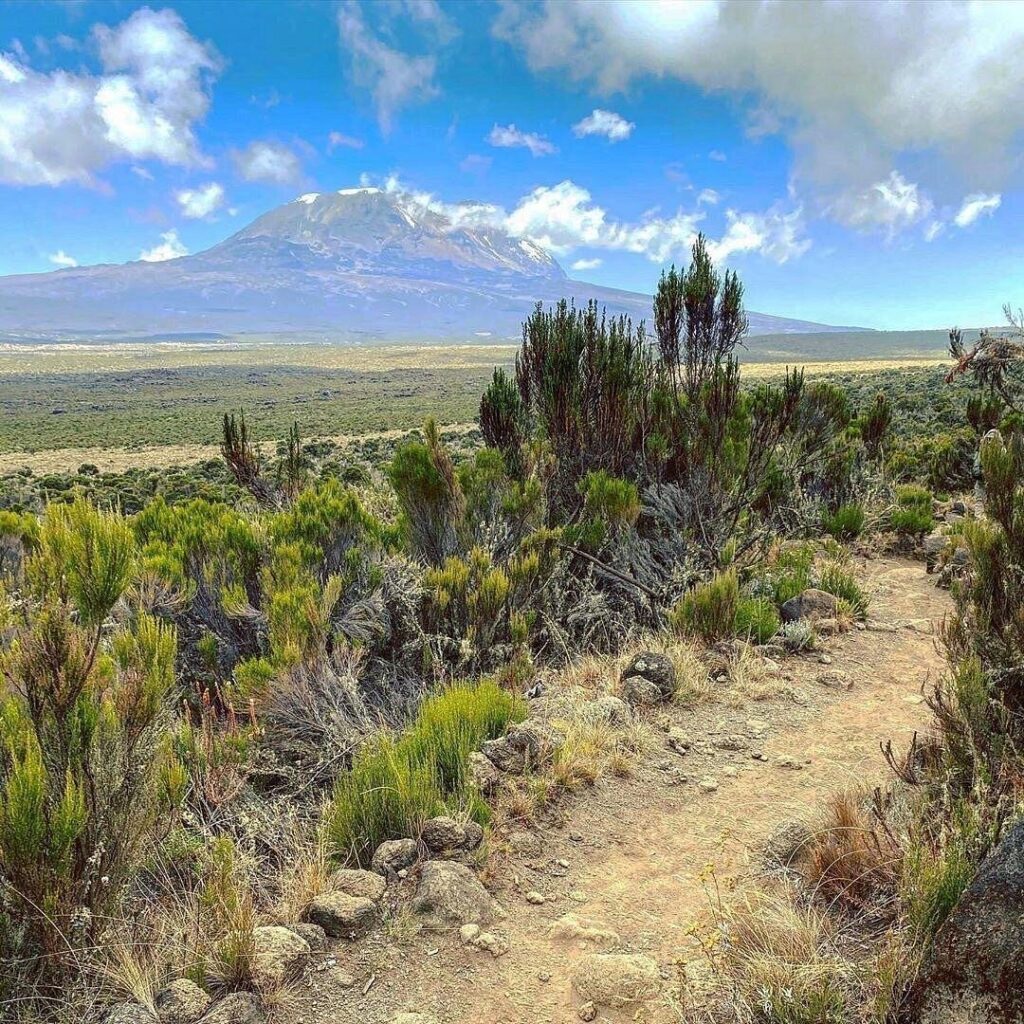
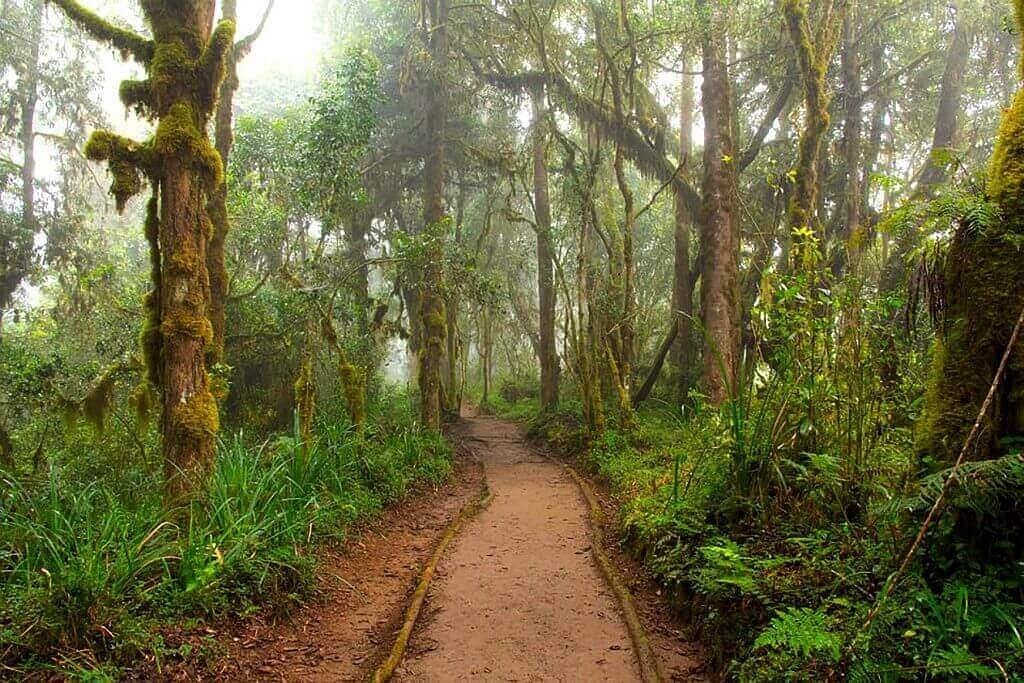
As you ascend, you’ll pass through five distinct ecological zones:
- Rainforest
- Heath and Moorland
- Alpine Desert
- Arctic Zone
- Uhuru Peak
Because of these dramatic changes in altitude, climbers can experience sunshine, rain, wind, frost, and snow during the same expedition.
Best Time to Climb Kilimanjaro
January to March
Weather: Warm days, cooler nights, occasional afternoon showers.
This is one of the quieter climbing seasons, making it ideal for travelers seeking a more peaceful experience on the mountain.
Advantages
- Fewer crowds
- Beautiful green landscapes
- Excellent visibility after rainfall
- Great for photography
- Cooler summit temperatures compared to later months
Things to Consider
- Some rain is possible, especially in the rainforest.
- Trails can occasionally be muddy at lower elevations.
Best for:
- First-time climbers
- Photographers
- Travelers looking for a quieter trek
June to October
This is widely considered the peak climbing season.
Following the long rainy season, the weather becomes drier, making trekking conditions excellent.
Advantages
- Dry trails
- Stable weather
- Clear summit views
- High summit success rates
- Ideal trekking conditions
Things to Consider
- Most popular season
- Routes are busier
- Accommodation and park bookings should be made early
Best for:
- First-time trekkers
- Families
- Groups
- Anyone wanting the best overall conditions
April and May: The Long Rainy Season
These months experience the heaviest rainfall.
Heavy rain can make trails slippery, increase cloud cover, and reduce visibility.
Although climbing is still possible, most travelers prefer to avoid these months unless they enjoy solitude and don’t mind wet conditions.
Advantages:
- Lowest visitor numbers
- Lush scenery
- Potentially lower prices
Disadvantages:
- Muddy trails
- Rainy days
- Limited mountain views
November: The Short Rainy Season
November brings lighter rainfall than April and May.
Rain often falls in short afternoon showers, while mornings can remain clear.
Experienced trekkers often enjoy climbing during this period because the mountain is less crowded.
Month-by-Month Kilimanjaro Climbing Guide
| Month | Weather | Crowds | Recommendation |
|---|---|---|---|
| January | Dry / Warm | Moderate | ⭐⭐⭐⭐⭐ Excellent |
| February | Dry / Warm | Moderate | ⭐⭐⭐⭐⭐ Excellent |
| March | Mixed Conditions | Moderate | ⭐⭐⭐⭐☆ Very Good |
| April | Wet | Low | ⭐⭐☆☆☆ Challenging |
| May | Wet | Very Low | ⭐⭐☆☆☆ Challenging |
| June | Dry | Increasing | ⭐⭐⭐⭐⭐ Excellent |
| July | Dry | High | ⭐⭐⭐⭐⭐ Excellent |
| August | Dry | High | ⭐⭐⭐⭐⭐ Excellent |
| September | Dry | Moderate | ⭐⭐⭐⭐⭐ Excellent |
| October | Dry | Moderate | ⭐⭐⭐⭐⭐ Excellent |
| November | Short Rains | Low | ⭐⭐⭐☆☆ Good |
| December | Mixed Conditions | Moderate | ⭐⭐⭐⭐☆ Very Good |
Choosing the right route
Your climbing experience also depends on the route you choose.
Machame Route
Often called the “Whiskey Route,” Machame offers spectacular scenery and excellent acclimatization opportunities.
Ideal for:
- Active hikers
- Scenic trekking
- High summit success
Lemosho Route
One of Kilimanjaro’s most beautiful routes.
Advantages:
- Less crowded
- Excellent acclimatization profile
- Diverse landscapes
- High summit success rate
Perfect for climbers looking for a premium trekking experience.
Marangu Route
Known as the “Coca-Cola Route.”
The only route offering mountain huts instead of tents.
Best suited for:
- Climbers preferring hut accommodation
- Those seeking a more traditional trekking experience
Rongai Route
Approaches Kilimanjaro from the northern side.
Advantages:
- Drier conditions
- Fewer climbers
- Great during wetter months
Physical Preparation for Kilimanjaro
Climbing Kilimanjaro requires determination more than technical climbing skills.
No ropes or mountaineering experience are necessary, but good physical fitness significantly improves your chances of reaching the summit.
Start training at least 8–12 weeks before your trip.
Recommended activities include:
- Long-distance hiking
- Stair climbing
- Hill walking
- Running
- Cycling
- Swimming
- Strength training
- Core exercises
Practice hiking for several consecutive days if possible while carrying a daypack.
Acclimatization: The Key to Success
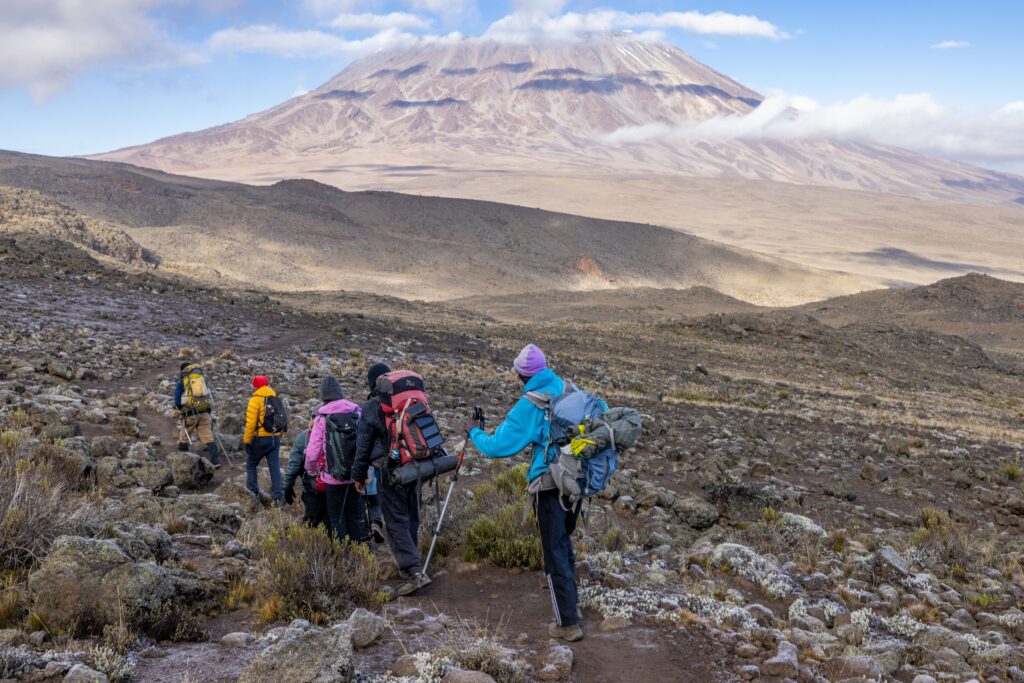
Altitude sickness is the biggest challenge on Kilimanjaro.
The best strategy is simple:
Walk slowly.
Guides often use the phrase:
“Pole Pole” – Swahili for “slowly, slowly.”
To improve acclimatization:
- Choose a route lasting at least 7-8 days.
- Stay hydrated (3-4 liters of water daily).
- Eat regular meals, even when your appetite decreases.
- Follow your guide’s pacing.
- Avoid alcohol before and during the climb.
- Get adequate rest each night.
Essential Packing List
Packing the right equipment is crucial for comfort and safety.
Clothing
- Waterproof jacket
- Waterproof trousers
- Insulated down jacket
- Thermal base layers
- Fleece jacket
- Hiking trousers
- Moisture-wicking shirts
- Warm hat
- Sun hat
- Buff or neck gaiter
- Waterproof gloves
- Warm liner gloves
- Hiking socks
- Thermal socks
Footwear
- Broken-in waterproof hiking boots
- Camp shoes or sandals
Equipment
- 30–40L daypack
- Duffel bag (carried by porters)
- Trekking poles
- Headlamp with spare batteries
- Sunglasses (Category 3 or 4)
- Water bottles or hydration bladder
- Sleeping bag rated to at least -10°C (14°F)
Personal Items
- Sunscreen (SPF 50+)
- Lip balm with SPF
- Personal medications
- Wet wipes
- Hand sanitizer
- Toilet paper
- Power bank
- Camera
Travel Preparation Before Arriving in Tanzania
Before traveling, make sure you have completed the following:
Passport
Your passport should generally be valid for at least six months beyond your planned departure date.
Visa
Many travelers require a Tanzanian visa. Check the latest entry requirements for your nationality before departure.
Travel Insurance
Comprehensive travel insurance is strongly recommended and should include:
- High-altitude trekking (up to 6,000 m)
- Emergency evacuation
- Medical expenses
- Trip cancellation
- Lost baggage
Vaccinations
Consult your healthcare provider or travel clinic well before departure about recommended vaccinations and preventive measures based on your itinerary.
At Afrimine Tours, we believe that reaching the Roof of Africa should be about more than simply reaching the summit.
Our experienced local mountain guides, professional cooks, and dedicated porter team are committed to making your Kilimanjaro adventure safe, enjoyable, and unforgettable.
With carefully planned itineraries designed for optimal acclimatization, high-quality camping equipment, delicious meals, and personalized support every step of the way, we maximize your chances of standing on Uhuru Peak with confidence.
Whether you’re an experienced hiker or taking on your first high-altitude adventure, we’ll help you prepare thoroughly before your journey begins and support you throughout the climb.
Final Thoughts
The best time to climb Mount Kilimanjaro depends on your travel style.
If you want the most reliable weather and dry trails, choose June through October.
If you prefer fewer crowds and greener scenery, January through March offers an excellent alternative.
No matter when you decide to climb, proper preparation, the right equipment, and an experienced guiding team make all the difference.
Your journey to the Roof of Africa starts long before you step onto the trail and with the right planning, it can become one of the most rewarding experiences of your life.
Ready to climb Kilimanjaro?
Book Your Kilimanjaro Adventure Today
Ready to conquer Africa’s highest mountain?
Join Afrimine Tours for a professionally guided Kilimanjaro climb with experienced guides, dedicated porters, and outstanding customer service. Contact us today to start planning your unforgettable journey to the Roof of Africa.