World Ranger Day
Celebrating Tanzania's Wildlife Rangers –
The Guardians of Africa's Natural Heritage
Every year on July 31st, the world celebrates World Ranger Day, a day dedicated to the courageous men and women who dedicate their lives to protecting wildlife, conserving nature, and preserving our planet’s most precious ecosystems.
At Afrimine Tours, we believe that every unforgettable safari in Tanzania is made possible by these remarkable conservation heroes. Behind every elephant herd, every lion pride, every leopard sighting, and every breathtaking sunrise over the Serengeti stands a team of dedicated rangers working tirelessly to keep Tanzania wild.
Who are Wildlife Rangers?
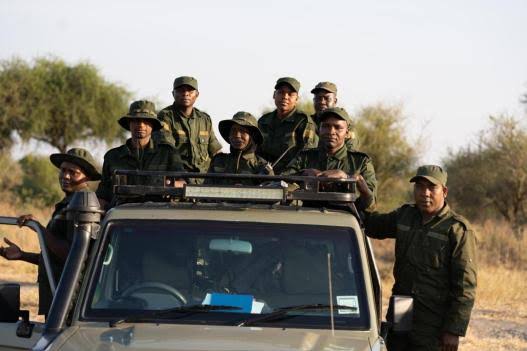
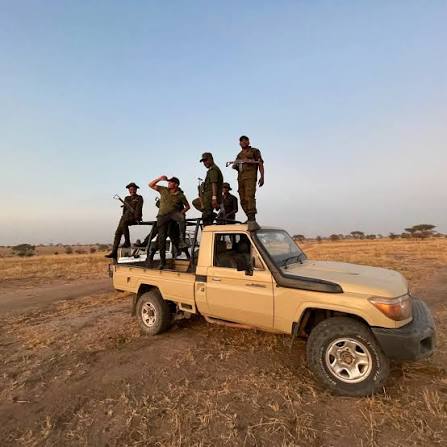
Wildlife rangers are the frontline defenders of nature. Their responsibilities extend far beyond guiding visitors or patrolling national parks. They are conservationists, protectors, educators, researchers, first responders, and ambassadors for Tanzania’s incredible biodiversity.
Every day, rangers work in challenging environments to:
- Protect endangered wildlife from poaching.
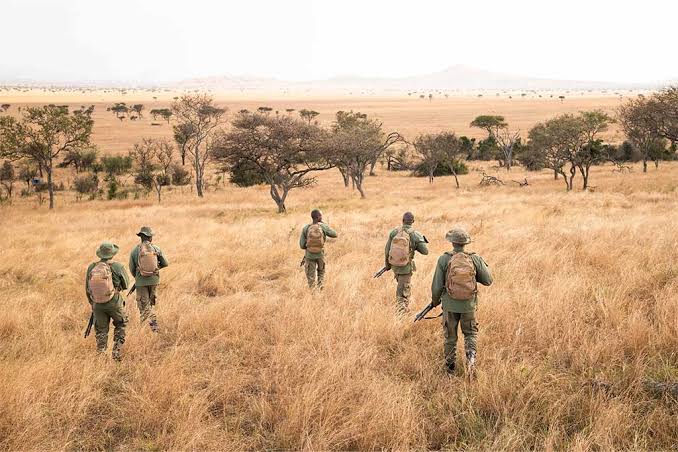
- Patrol vast protected areas on foot and by vehicle.
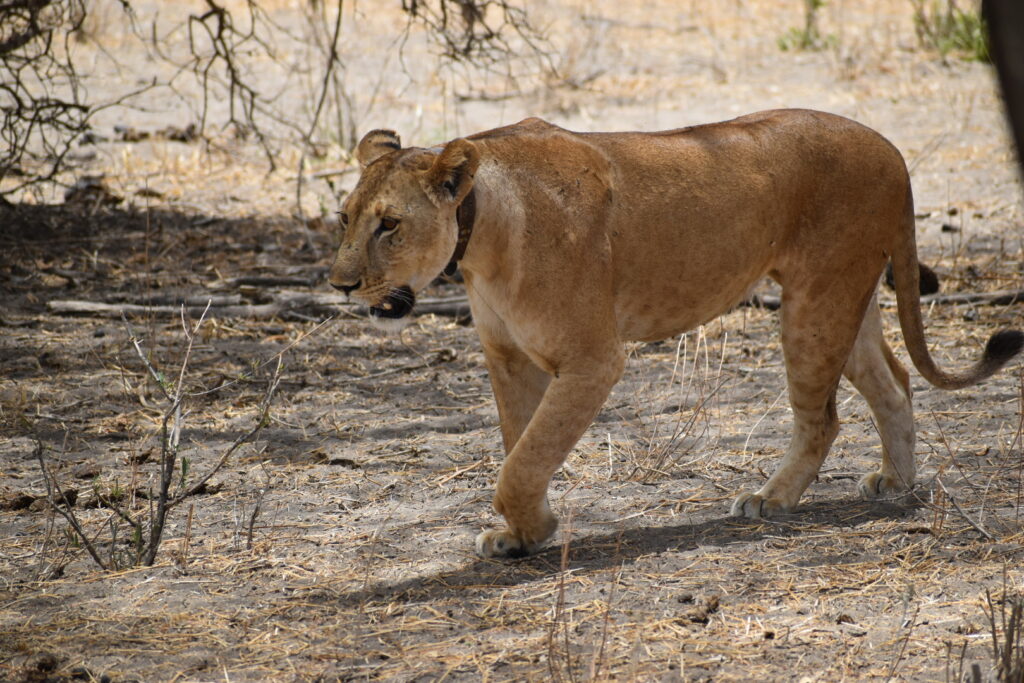
- Monitor animal populations and migration patterns.
- Rescue injured wildlife.
- Prevent illegal logging and habitat destruction.
- Support scientific research.
- Educate local communities and visitors about conservation.
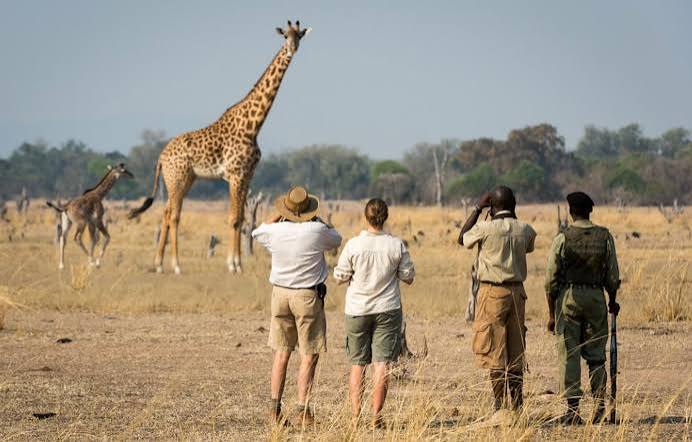
- Assist tourists and ensure their safety within the parks.
Their work often takes them into remote wilderness areas where they face extreme weather, dangerous wildlife, and difficult conditions, all driven by their passion for protecting Tanzania’s natural treasures.
Tanzania – One of Africa's greatest conservation success stories
Tanzania is home to some of the world’s most spectacular protected areas.
These include iconic destinations such as:
- Serengeti National Park
- Ngorongoro Conservation Area
- Tarangire National Park
- Lake Manyara National Park
- Ruaha National Park
- Nyerere National Park
- Katavi National Park
- Mahale Mountains National Park
- Gombe National Park
Together, these parks protect millions of hectares of wilderness and provide a safe home for thousands of wildlife species.
Tanzania is famous for:
- The Great Wildebeest Migration
- Africa’s largest elephant populations
- More than 4,000 lions
- Rare black rhinos
- Wild dogs
- Chimpanzees
- Hundreds of bird species
- Countless endemic plants and ecosystems
Without the dedication of wildlife rangers, many of these incredible species would face far greater threats.
Conservation projects making a difference in Tanzania's National Parks
Protecting wildlife is about far more than patrolling national parks. Across Tanzania, dedicated rangers, conservation organizations, researchers, and local communities work together on a wide range of projects that help safeguard wildlife and restore fragile ecosystems.
De-snaring Operations
One of the most important conservation efforts is de-snaring.
Wire snares are illegally set to catch bushmeat but often trap elephants, giraffes, zebras, wildebeest, lions, leopards, and many other animals. These traps cause severe injuries and unnecessary suffering, and many animals die if they are not found in time.
Rangers and specialized de-snaring teams regularly patrol migration routes, river crossings, and dense bush to locate and remove these deadly traps before wildlife becomes entangled. During a single patrol, teams may recover dozens, or even hundreds, of snares.
Every snare removed represents a life potentially saved.
Anti-Poaching Patrols
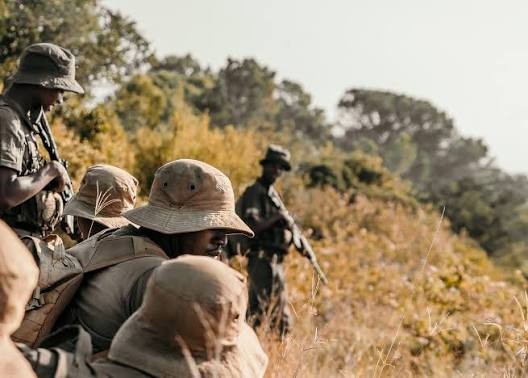
Wildlife rangers conduct daily and nightly anti-poaching patrols throughout Tanzania’s protected areas. Using vehicles, motorcycles, boats, horses, and long foot patrols, they monitor remote regions that are inaccessible by road.
Modern conservation combines traditional bush skills with technology such as GPS devices, camera traps, drones in selected conservation areas, and aerial surveillance to detect illegal activities and respond quickly to threats.
Wildlife Monitoring and Scientific Research
Healthy wildlife populations depend on continuous monitoring.
Rangers work alongside scientists to record wildlife sightings, track endangered species, monitor predator populations, and study migration routes. This information helps park authorities make informed conservation decisions and respond to changes caused by climate, habitat loss, or human activity.
Human-Wildlife Conflict Mitigation
As Tanzania’s population grows, people and wildlife increasingly share the same landscapes.
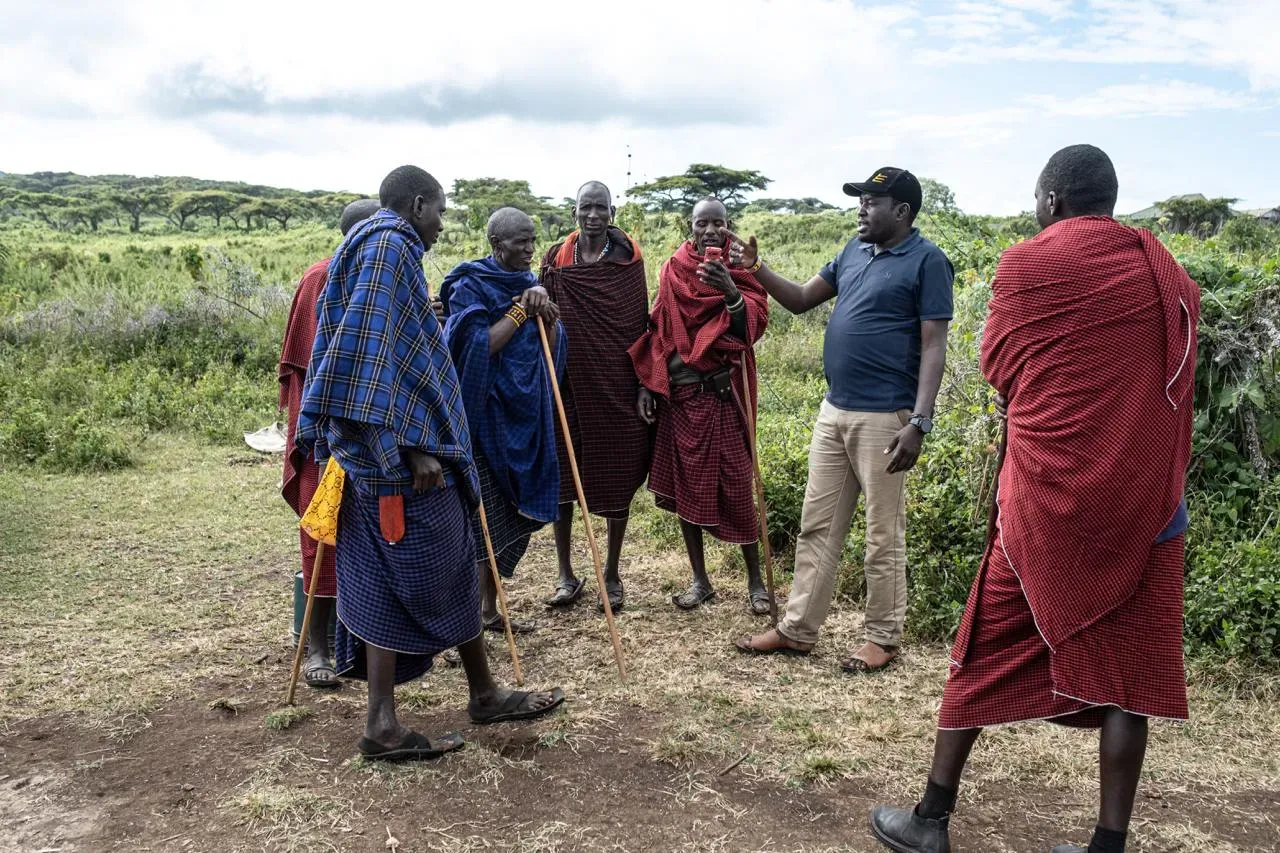
Many conservation programs help reduce conflicts between communities and wildlife by promoting better livestock protection, building predator-proof enclosures, supporting early warning systems for elephant movements, and educating local residents about peaceful coexistence.
When communities benefit from conservation through employment and tourism, wildlife gains valuable allies.
Habitat Restoration
Conservation also means restoring damaged ecosystems.
Projects include reforestation, controlling invasive plant species, protecting water sources, restoring wetlands, reducing soil erosion, and preventing illegal logging. Healthy habitats support everything from insects and birds to Africa’s largest mammals.
Community Conservation and Environmental Education
Successful conservation depends on local communities.
Many ranger-led initiatives visit schools, organize environmental education programs, support youth conservation clubs, and work closely with villages surrounding national parks. By inspiring the next generation, these programs help build long-term support for protecting Tanzania’s unique natural heritage.
Every Safari supports Conservation
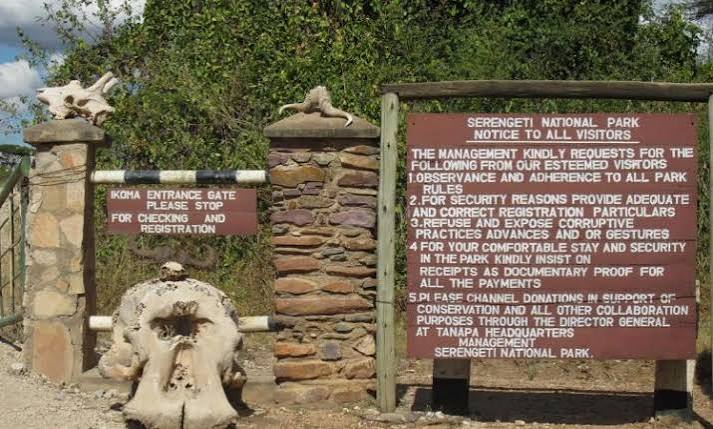
When you visit Tanzania’s national parks, your park entrance fees directly contribute to wildlife protection, ranger salaries, infrastructure, scientific research, habitat management, and conservation programs.
By choosing responsible travel with Afrimine Tours, you are helping support the people and projects working every day to keep Tanzania’s wilderness thriving.
Every safari becomes part of a larger conservation story, one where visitors, local communities, guides, researchers, and wildlife rangers work together to ensure that future generations can experience the magic of Tanzania’s extraordinary wildlife.
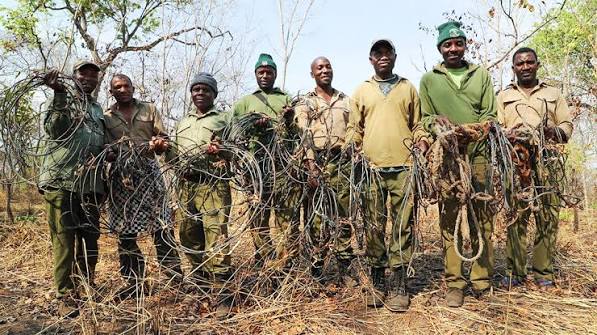
The fight against poaching
One of the most important roles of wildlife rangers is combating illegal poaching.
Poaching threatens elephants for their ivory, rhinos for their horns, and many other species targeted by illegal wildlife trade.
Rangers conduct anti-poaching patrols, remove snares, gather intelligence, work with local communities, and cooperate with conservation organizations to protect vulnerable wildlife.
Their efforts have contributed significantly to the recovery of several wildlife populations across Tanzania.
Conservation is about more than animals
Protecting wildlife also means protecting habitats.
Healthy forests, rivers, wetlands, and grasslands provide clean water, store carbon, support local communities, and maintain the delicate balance of nature.
Conservation ensures that future generations can continue experiencing Tanzania’s extraordinary landscapes while supporting sustainable tourism and local livelihoods.
Every protected ecosystem benefits not only wildlife but also the people who call these areas home.
Responsible tourism makes a difference
Every safari contributes to conservation.
When you choose a responsible safari operator like Afrimine Tours, your visit supports conservation through national park entrance fees, local employment, community development, and sustainable tourism practices.
Responsible tourism helps fund:
- Wildlife protection
- Ranger equipment and operations
- Conservation research
- Habitat restoration
- Environmental education
- Community conservation projects
Every visitor becomes part of protecting Tanzania’s incredible natural heritage.
Meet the unsung heroes
Most safari guests remember the lions, elephants, giraffes, and cheetahs they encounter.
Few realize the enormous effort behind keeping these animals safe every single day.
Wildlife rangers often work quietly behind the scenes without recognition. They spend weeks away from their families, patrol vast wilderness areas, and dedicate their lives to preserving nature for the world to enjoy.
On World Ranger Day, we recognize these unsung heroes whose commitment allows future generations to experience the magic of Tanzania.
How you can support conservation?
Every traveler can make a positive impact by:
- Choosing responsible tour operators.
- Respecting park rules.
- Never purchasing products made from wildlife.
- Keeping a safe distance from animals.
- Reducing plastic waste during travel.
- Supporting local communities.
- Learning about conservation before your safari.
Small actions create lasting change.
Afrimine Tours supports sustainable travel
At Afrimine Tours, conservation is at the heart of everything we do.
We believe that tourism should benefit wildlife, local communities, and future generations alike. Every safari is an opportunity not only to discover Tanzania’s incredible beauty but also to contribute to protecting it.
Our experienced guides share their knowledge about wildlife, ecosystems, and conservation, helping guests understand why preserving these landscapes is so important.
Together, we can ensure that Tanzania’s elephants continue roaming freely, lions keep ruling the savannah, and future generations can witness the Great Migration in all its glory.
Thank You, Rangers!
This World Ranger Day, we extend our deepest gratitude to every wildlife ranger across Tanzania and around the world.
Thank you for your courage.
Thank you for your dedication.
Thank you for protecting the wild places we all cherish.
Because of you, Tanzania remains one of the greatest safari destinations on Earth.
Karibu sana Tanzania!
Frequently Asked Questions
Why are wildlife rangers important in Tanzania?
Wildlife rangers protect endangered animals, prevent poaching, conserve habitats, educate communities, assist visitors, and help preserve Tanzania’s world-famous national parks for future generations.
How does tourism support conservation?
National park entrance fees and responsible tourism generate essential funding for wildlife protection, ranger operations, conservation projects, scientific research, and local communities.
How can visitors help protect Tanzania's wildlife?
Visitors can support conservation by choosing responsible safari companies, respecting wildlife, following park regulations, avoiding wildlife products, and supporting sustainable tourism initiatives.