The surprising family secret of Africa: Why Hyraxes are the Elephant's closest tiny cousins
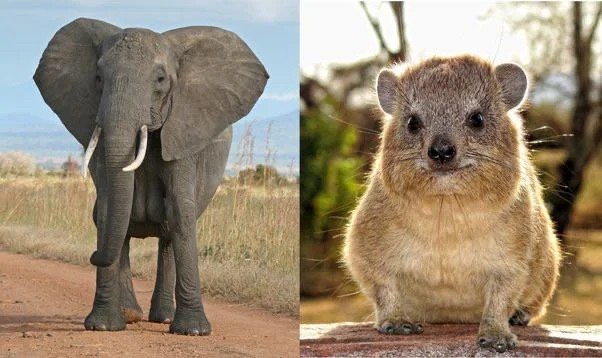
One is the largest land animal on Earth. The other is a small, furry creature that looks like a rabbit and spends its days sunbathing on rocky cliffs. What could they possibly have in common? More than you would ever imagine.
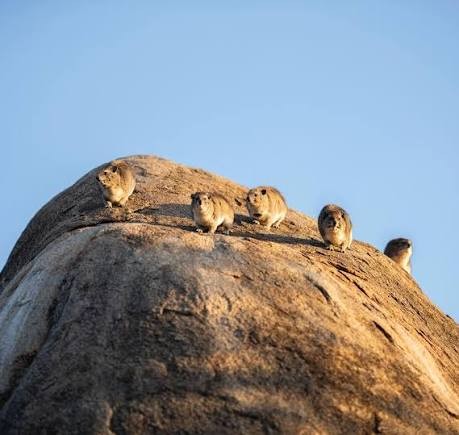
When most visitors come to Tanzania on safari, they are excited to spot the Big Five, watch lions hunting across the Serengeti, or admire majestic elephants roaming beneath ancient baobab trees. Few people pay attention to the small rock hyrax quietly resting on the rocks.
Yet this little animal holds one of Africa’s most fascinating evolutionary secrets.
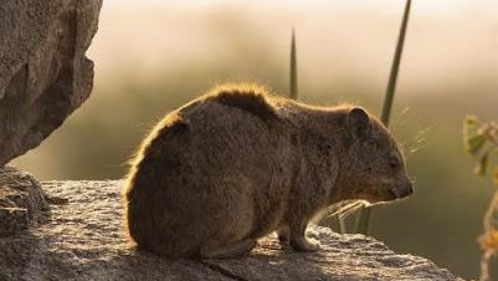
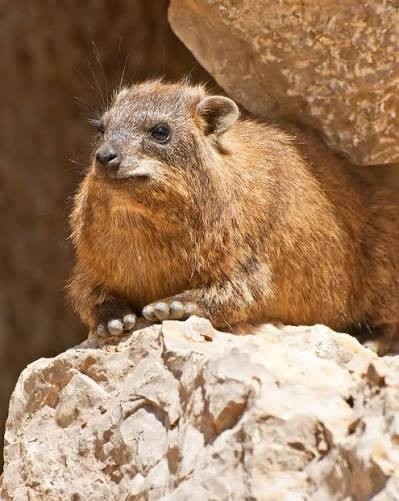
Believe it or not, the rock hyrax (Procavia capensis) is one of the elephant’s closest living relatives.
It sounds impossible, but science tells an extraordinary story.
A tiny mammal with a giant family secret
At first glance, the comparison seems ridiculous.
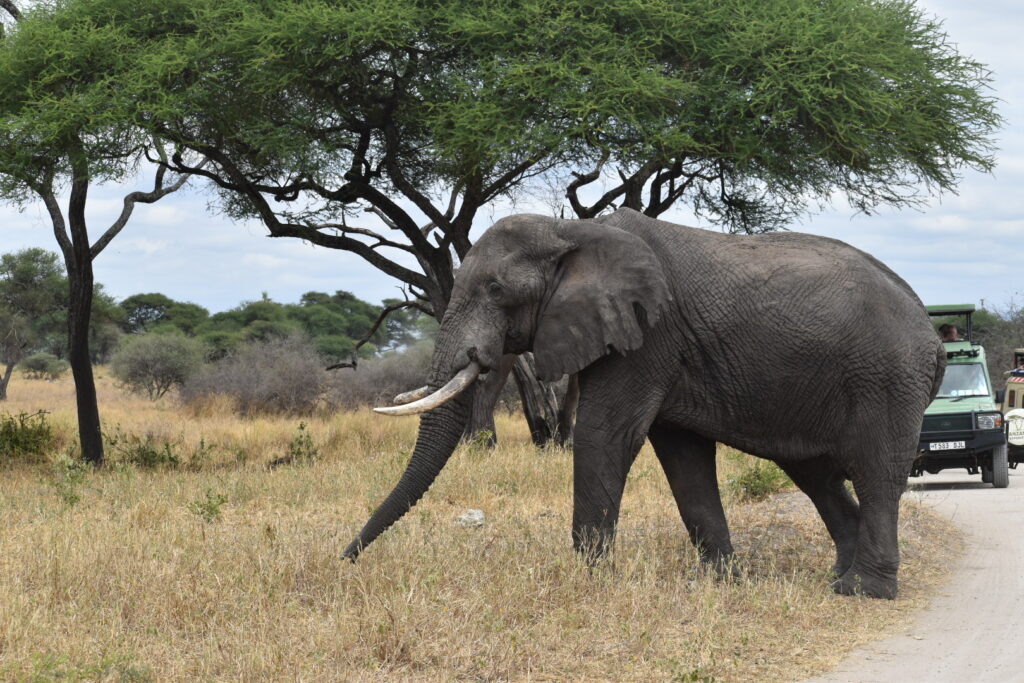
A hyrax weighs only 2–5 kg, while an African elephant can exceed 6,000 kg. Hyraxes squeak, hide between rocks, and resemble oversized guinea pigs. Elephants trumpet, reshape landscapes, and are among the most intelligent mammals on Earth.
For centuries, naturalists believed the two animals couldn’t possibly be related.
But appearances can be deceiving.
Modern DNA research has revealed that elephants and hyraxes share a common ancestor that lived around 65–70 million years ago, shortly after the extinction of the dinosaurs.
Despite millions of years of evolution taking them in completely different directions, they remain members of the same remarkable evolutionary family.
Meet the Afrotherians – Africa's Ancient Mammal Dynasty
The elephant and hyrax belong to an extraordinary group of mammals known as Afrotheria.
Around 105–40 million years ago, Africa was largely isolated from the rest of the world’s continents. Like a giant island, it became an evolutionary laboratory where mammals developed independently for millions of years.
During this time, one ancient lineage diversified into an incredible range of animals.
Today, the Afrotherian family includes:
African elephants
Rock hyraxes
Sea cows (manatees and dugongs)
Aardvarks
Elephant shrews
Golden moles
Tenrecs from Madagascar
Although many of these animals look completely unrelated, genetic evidence clearly shows they descended from ancient African ancestors.
It’s one of evolution’s greatest surprises.
Why don't they look alike?
Evolution doesn’t always preserve appearances.
Over millions of years, different environments create different adaptations.
The ancestors of elephants became larger and larger to survive on open landscapes, eventually evolving trunks, tusks, and enormous bodies.
Hyraxes took the opposite route.
They remained small, agile, and perfectly adapted to rocky habitats where hiding between boulders became their best defense against predators.
Today, the two species seem worlds apart.
Yet beneath the surface, they still share fascinating anatomical similarities.
Scientists have discovered similarities in:
their feet and nail structure
certain skull characteristics
aspects of their teeth
reproductive biology
and, most convincingly, their DNA.
Genetics leaves little room for doubt, the relationship is real.
Evolution can be misleading
For centuries, scientists classified animals mainly by appearance.
Sometimes this worked.
Sometimes it didn’t.
A perfect example is convergent evolution.
Completely unrelated animals can independently evolve similar features simply because they solve similar problems.
For example:
Cheetahs are true cats but have claws that do not fully retract.
Genets have retractable claws similar to cats, yet they belong to a different branch of carnivores.
Similar features do not always mean close relatives.
DNA has transformed our understanding of the animal kingdom by revealing relationships that physical appearance alone could never explain.
The elephant–hyrax connection is perhaps one of the most astonishing examples.
Hidden clues you can still see
Although they look dramatically different, careful observers can spot surprising similarities.
Hyraxes have:
surprisingly sophisticated feet with rubber-like pads that provide grip on rocks
nails instead of typical rodent-like claws
continuously growing incisors
complex social behavior
excellent communication using whistles and calls
Elephants share advanced social structures, remarkable intelligence, and several skeletal characteristics inherited from their common ancestors.
The similarities are subtle but scientifically significant.
Africa's living evolutionary museum
One of the best places to appreciate this incredible evolutionary story is on safari in Tanzania.
Rock hyraxes can often be seen:
around the rocky kopjes of the Serengeti
among the granite boulders of Ruaha National Park
in the Ngorongoro Conservation Area
on the slopes of Mount Kilimanjaro
in many rocky areas throughout northern Tanzania
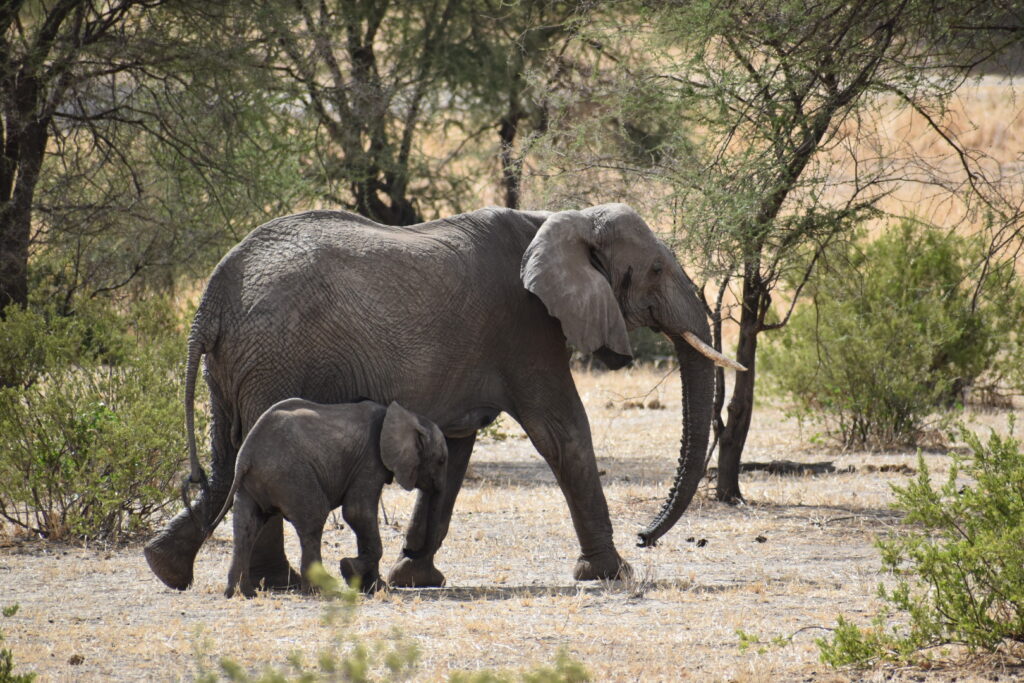
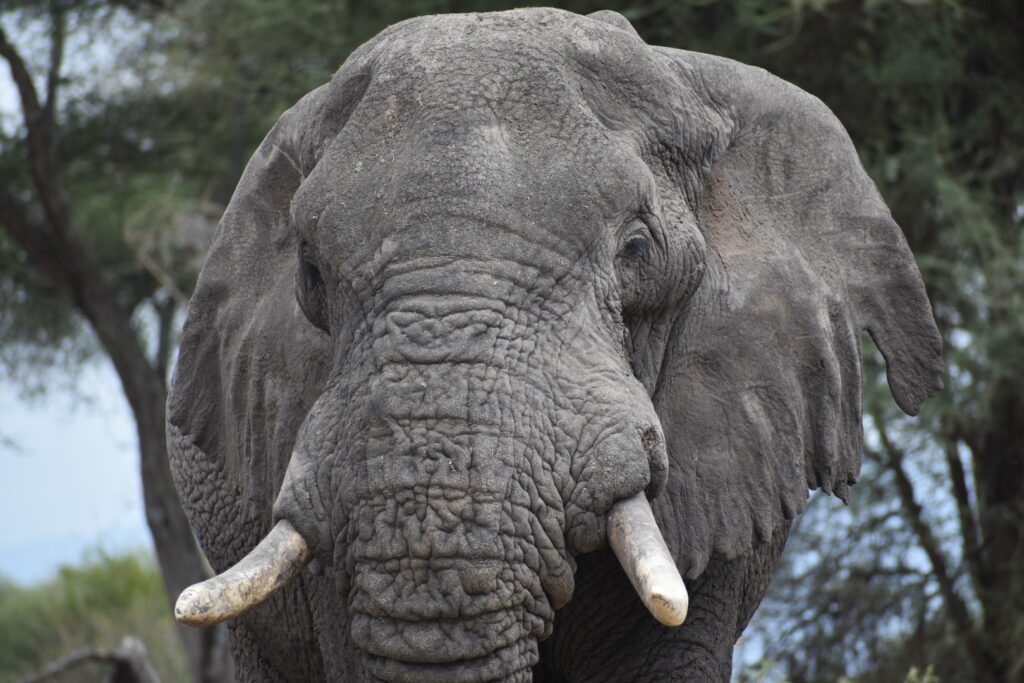
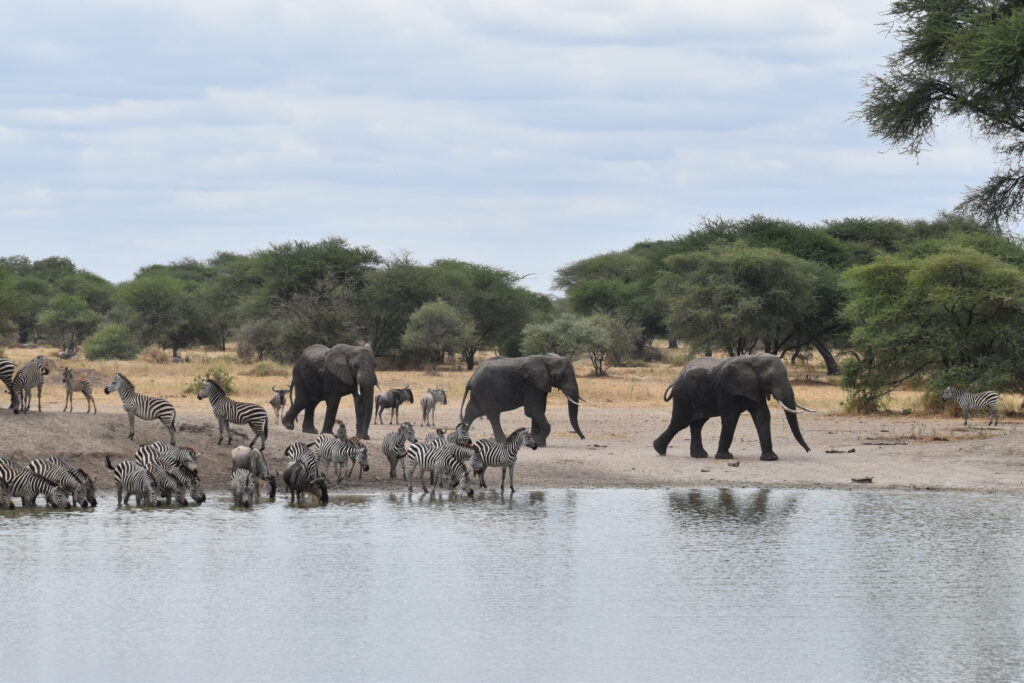
Meanwhile, elephants roam across iconic destinations such as Tarangire National Park, Nyerere National Park, Ruaha National Park, and the Serengeti.
Seeing both animals during one safari means witnessing two living descendants of an evolutionary story that began tens of millions of years ago.
A safari is more than spotting wildlife
Many visitors focus on ticking animals off a checklist.
But every species has its own story.
The humble hyrax reminds us that nature is full of hidden connections.
Who would imagine that one of the elephant’s closest ancient relatives spends its afternoons basking in the African sun on a pile of rocks?
The next time you spot a rock hyrax darting between boulders and later watch an elephant family crossing the savannah, remember:
You are looking at two very different chapters of the same ancient African story.
Sometimes the smallest creatures carry the biggest secrets.
Discover Tanzania's Incredible Wildlife with Afrimine Tours
At Afrimine Tours, we believe every safari is more than a game drive, it’s a journey into the fascinating stories of Africa’s wildlife, landscapes, and evolution.
Our experienced guides explain the incredible connections that make Tanzania one of the world’s greatest natural wonders.
Join us to discover not only the famous Big Five but also the remarkable smaller creatures that make every safari unforgettable.
Karibu sana Tanzania – where every animal has a story to tell.